

Bridging Cultures Through Sustainability
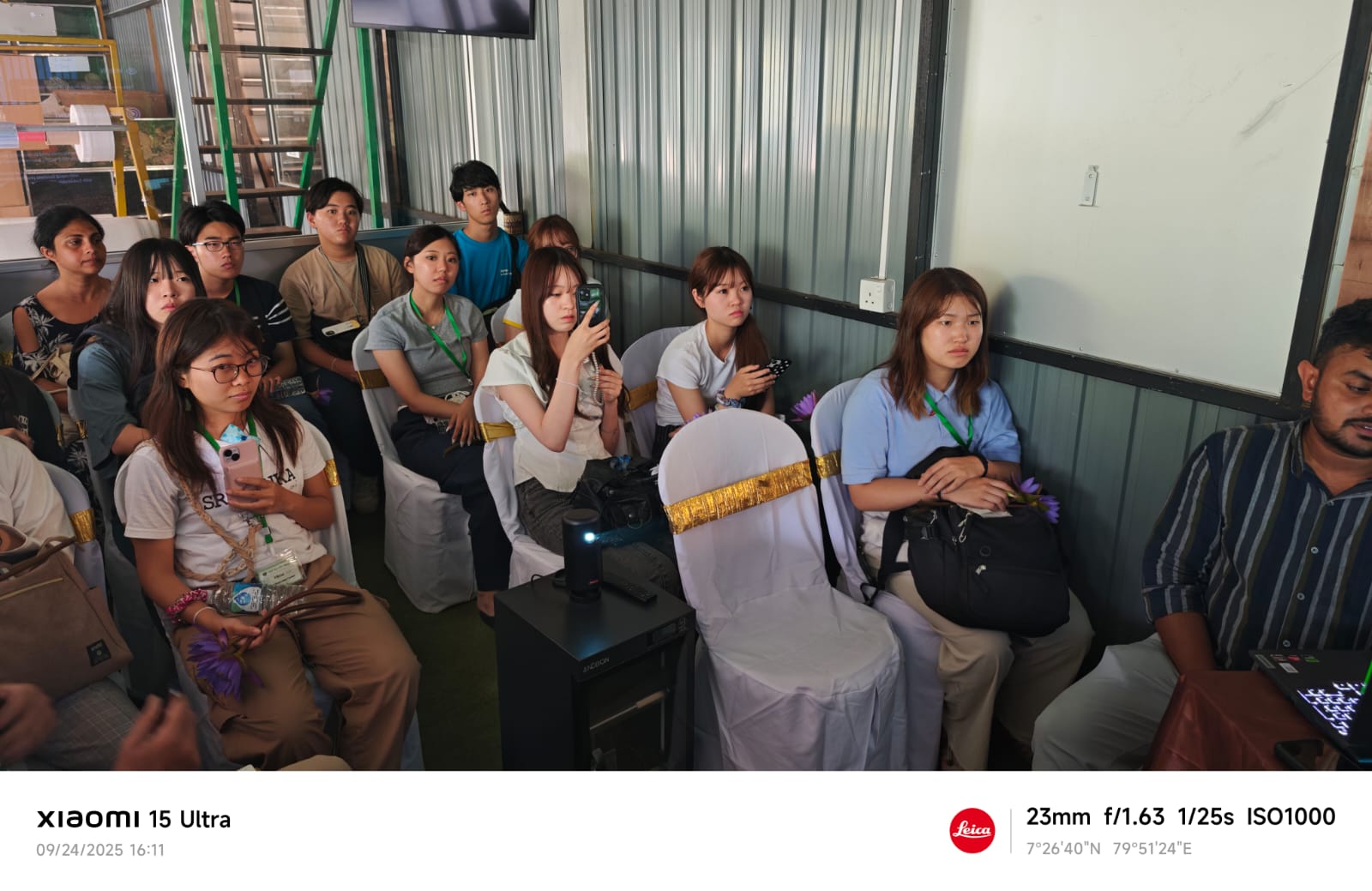
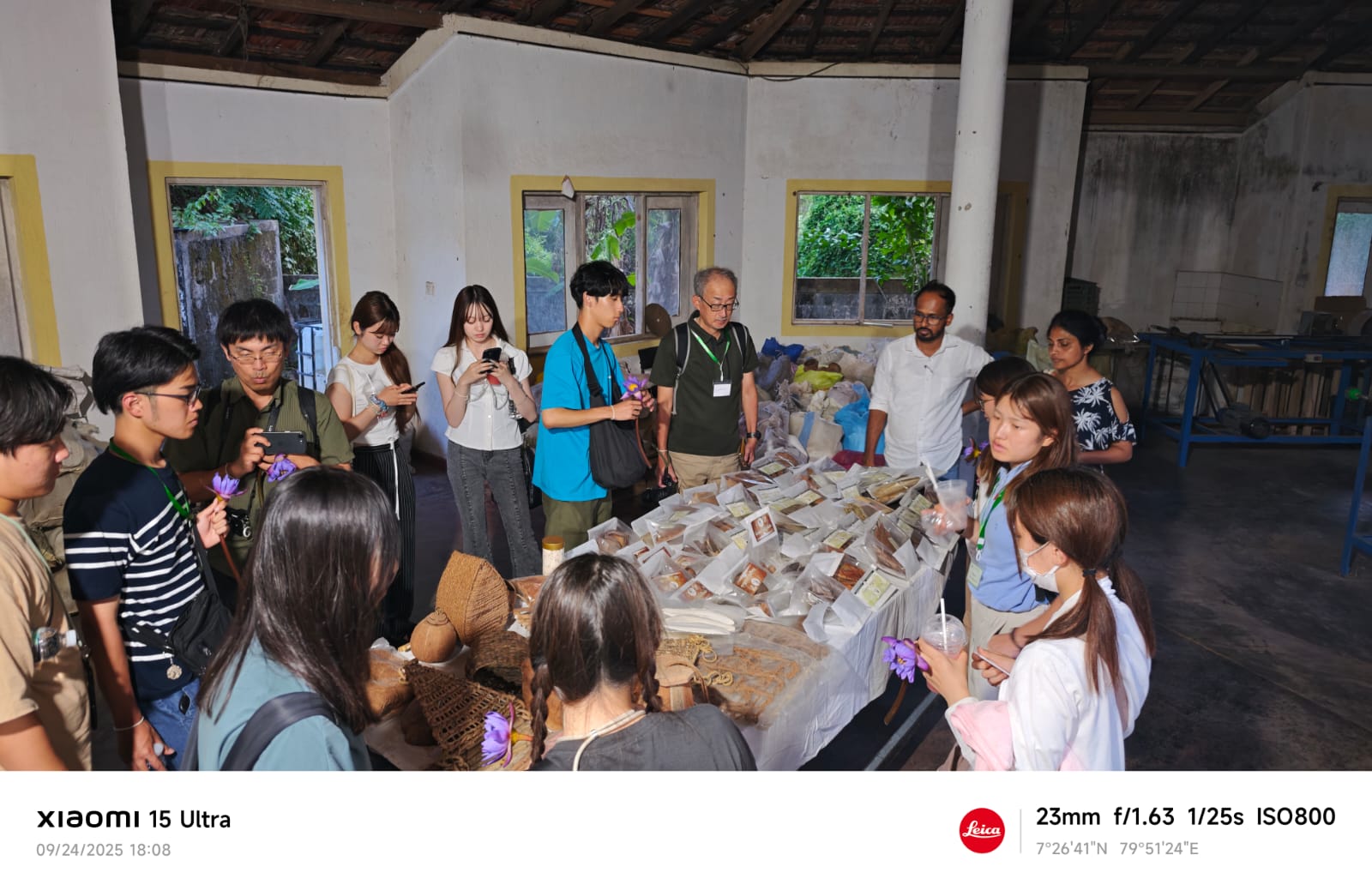
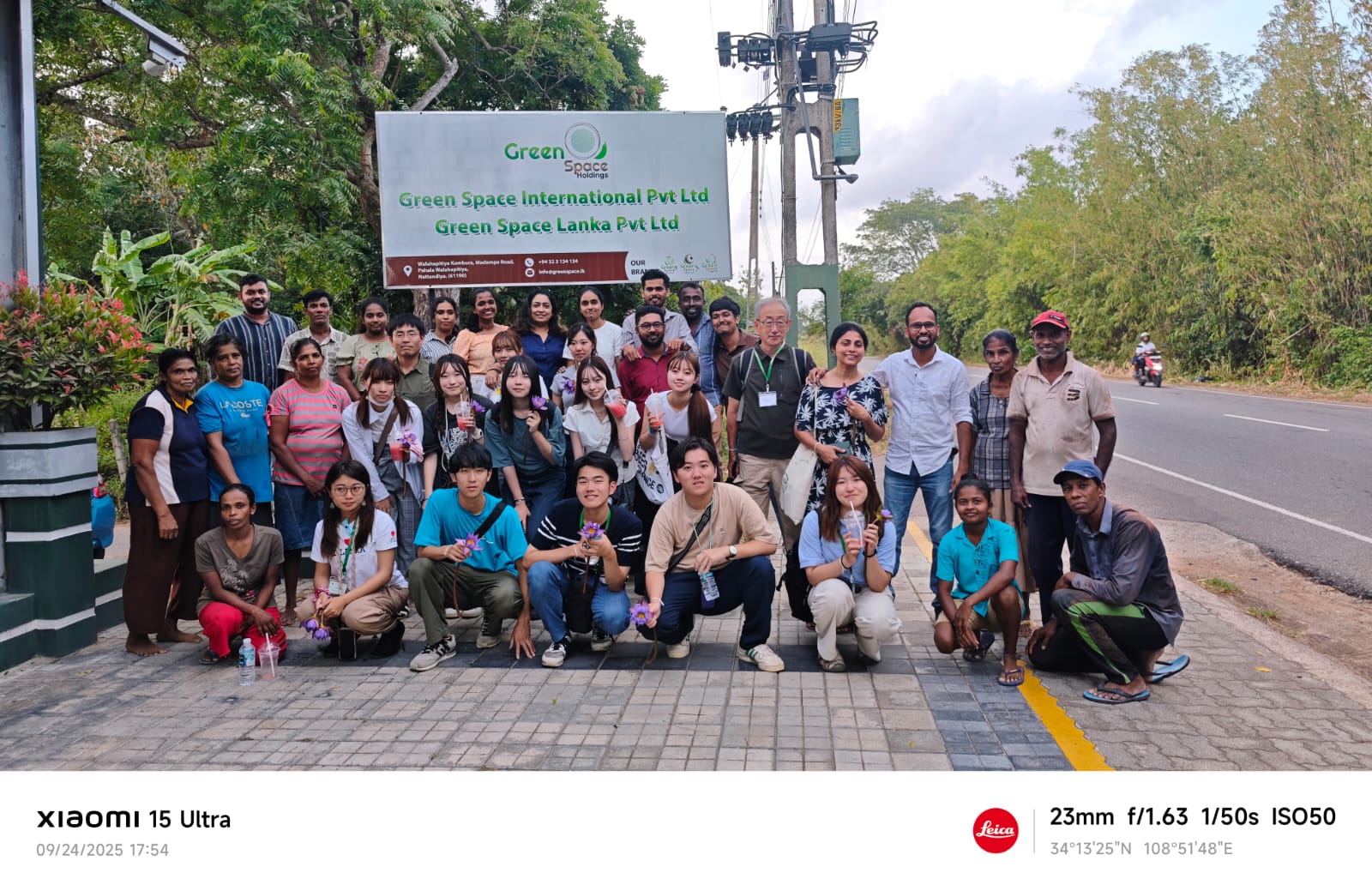
In a world where global collaboration drives progress, Green Space Holdings (Pvt) Ltd continues to stand as a symbol of how sustainability transcends borders. The company recently hosted a group of Japanese students in an interactive visit that combined cultural exchange, environmental education, and shared inspiration.
The event was not only an opportunity to showcase Green Space’s innovative eco-friendly products but also a celebration of global unity—where young minds from Japan and Sri Lanka came together under one roof to explore the future of sustainable development.
“We were honored to share our vision for a greener, more connected world,” said a Green Space representative. “This visit reminded us that innovation and collaboration go hand in hand.”
The Purpose of the Visit: Learning Beyond Borders
The visit by the Japanese students was part of a broader international educational exchange programme aimed at enhancing understanding of global sustainability practices. Green Space Holdings, known for its commitment to eco-conscious product development, was chosen as a key destination for students eager to witness how sustainable business operations function in real life.
The visit was designed to achieve several objectives:
- Expose students to sustainable industry practices in Sri Lanka.
- Encourage cross-cultural dialogue on environmental responsibility and innovation.
- Provide hands-on learning experiences related to eco-friendly product development.
- Strengthen international academic and business ties between Sri Lanka and Japan.
Warm Welcome and Cultural Connection
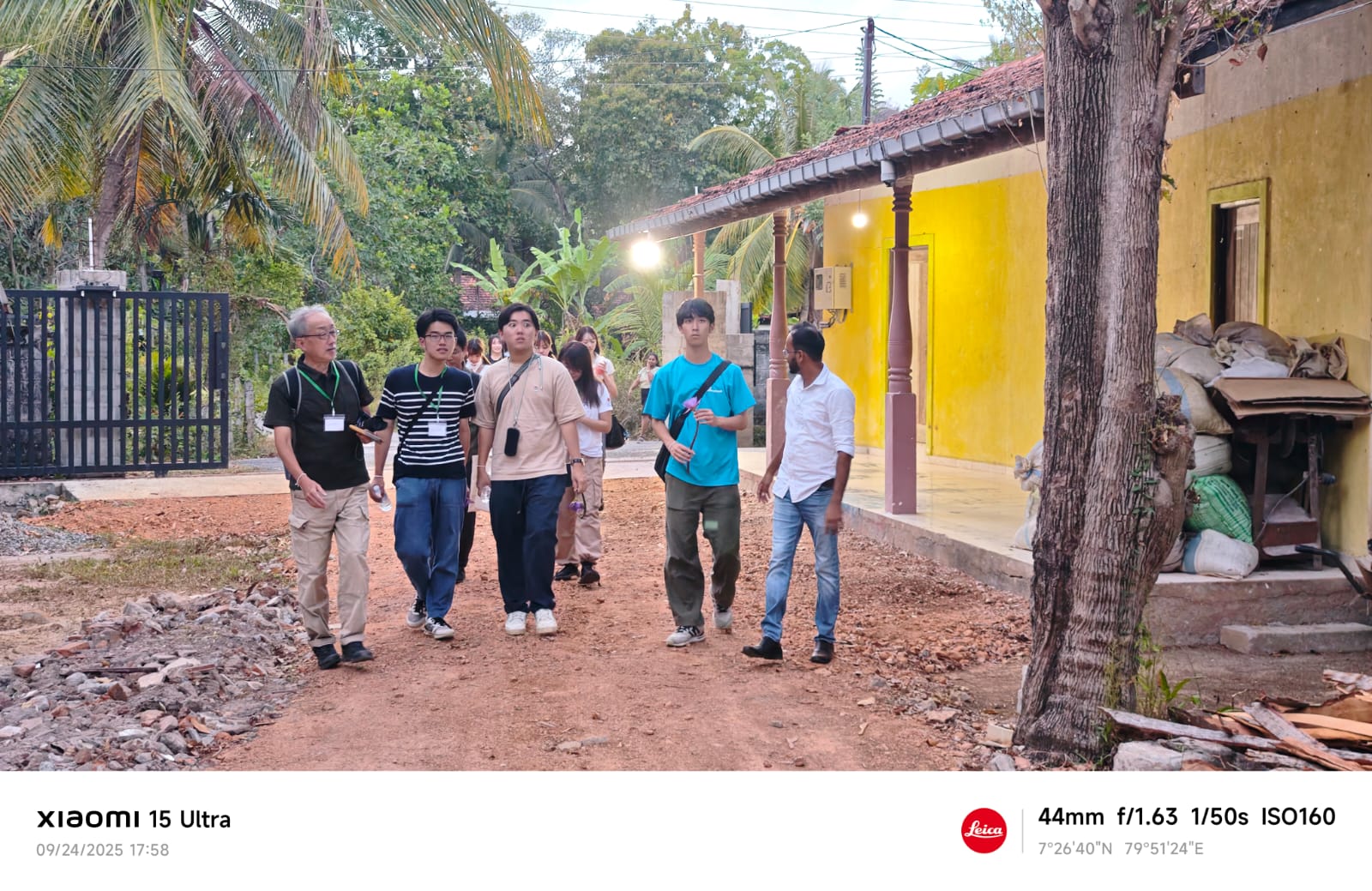
The students were greeted with heartfelt Sri Lankan hospitality as they arrived at Green Space Holdings’ headquarters. The team prepared a special orientation programme that combined learning, cultural exchange, and exploration of Sri Lanka’s craftsmanship-based innovation model.
The day began with an introduction to Green Space’s philosophy—a company driven by the mission to turn sustainability into tangible, market-ready solutions.
A Blend of Cultures and Ideas
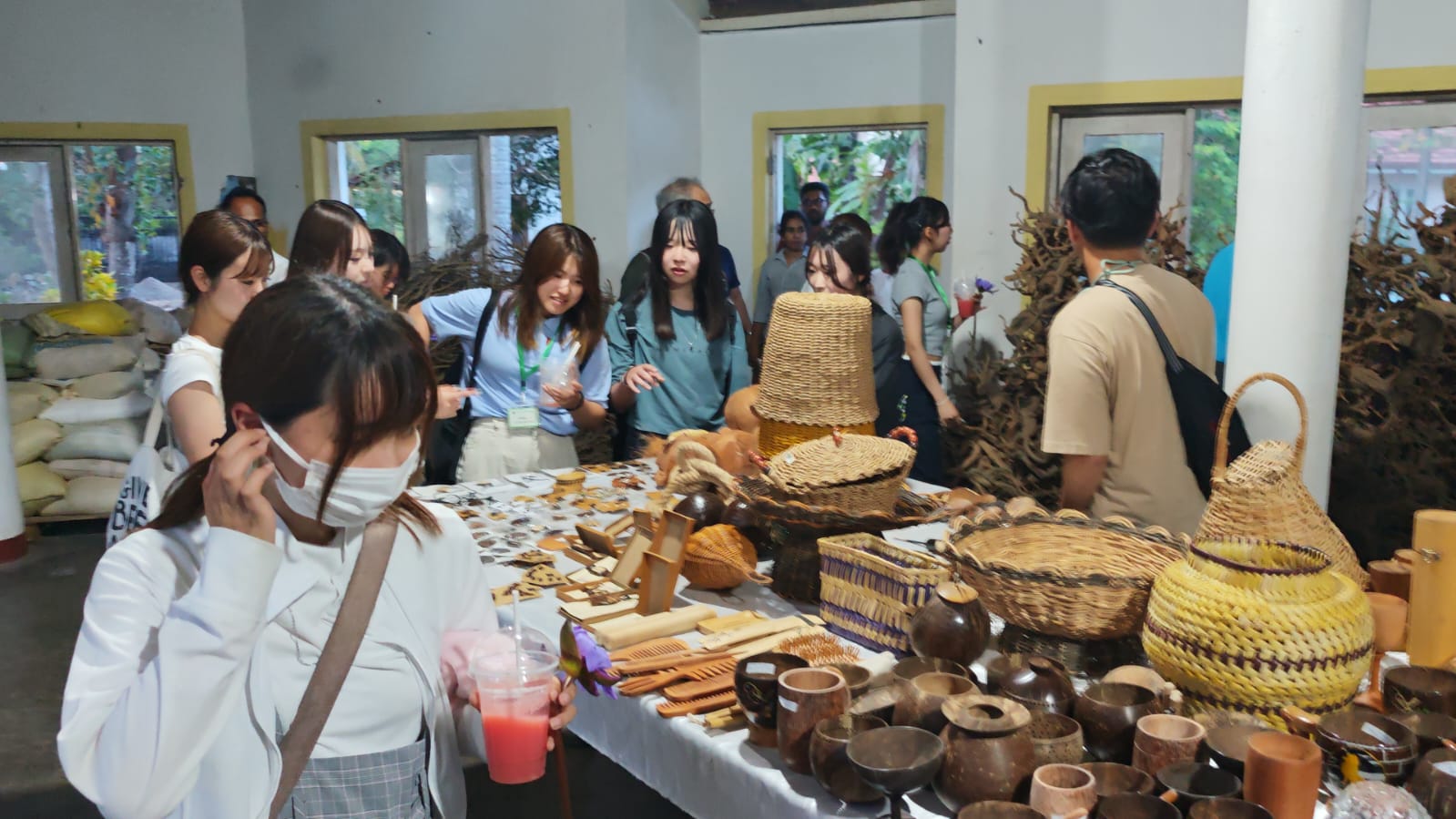
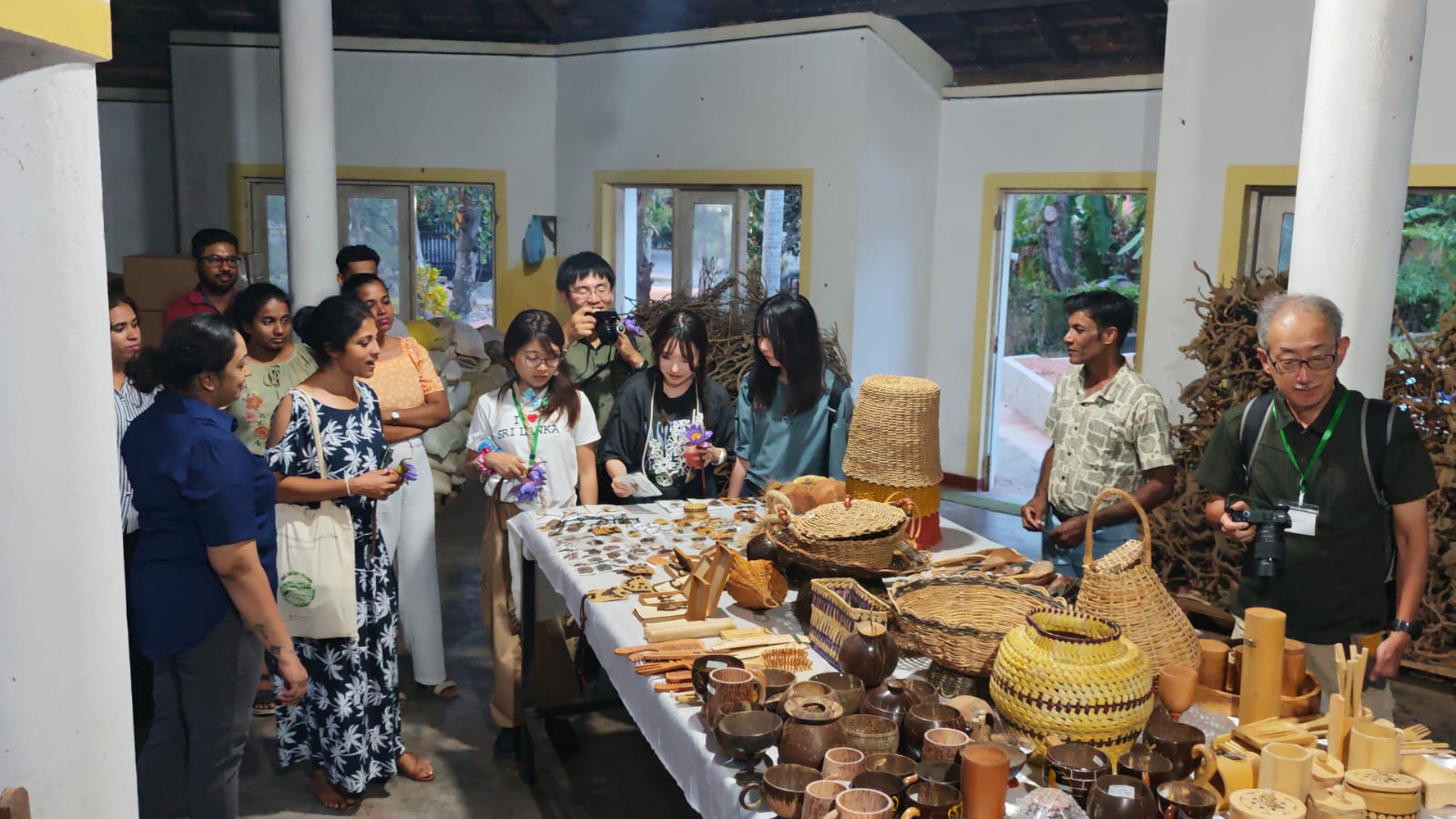
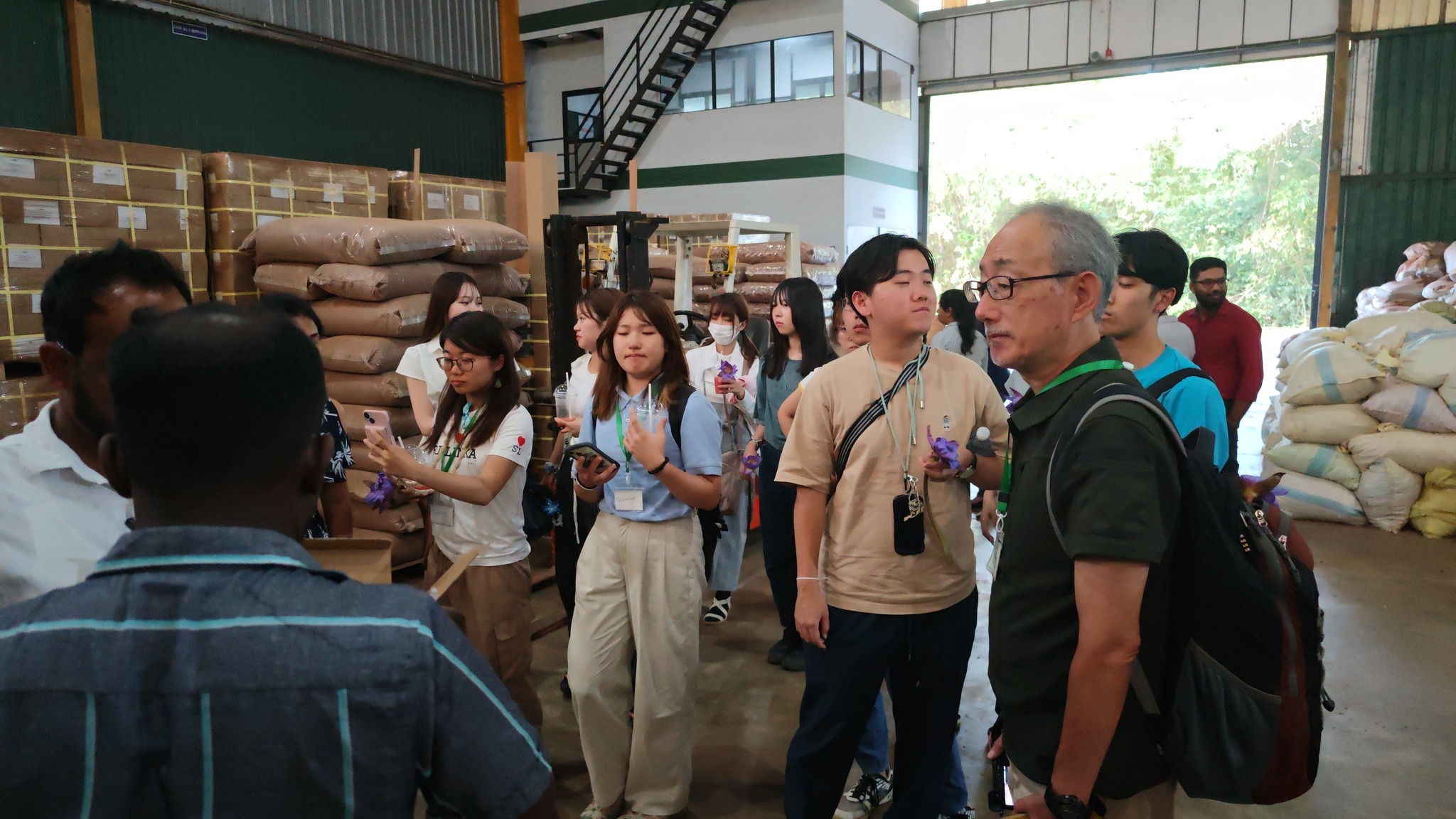
As the students toured the facility, they were captivated by:
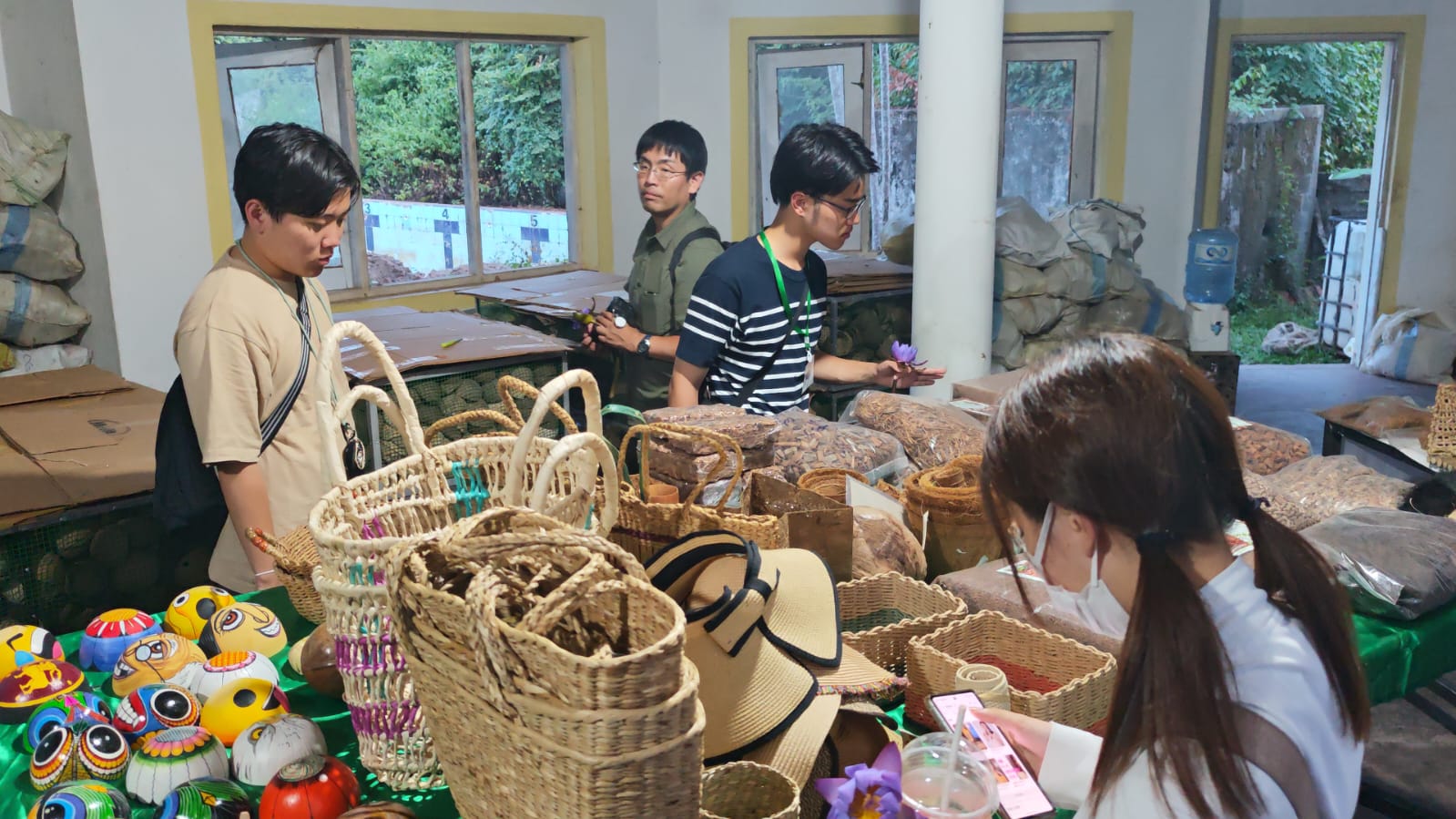
- The natural materials used in product manufacturing.
- The integration of traditional Sri Lankan artistry with modern technology.
- The inclusive community model that empowers local craftsmen and farmers.
Throughout the visit, laughter, curiosity, and respect filled the air. The students expressed great enthusiasm for Sri Lankan innovation, while Green Space’s team learned valuable insights about Japan’s own sustainable approaches and environmental education models.
Exploring Innovation: The Green Space Experience
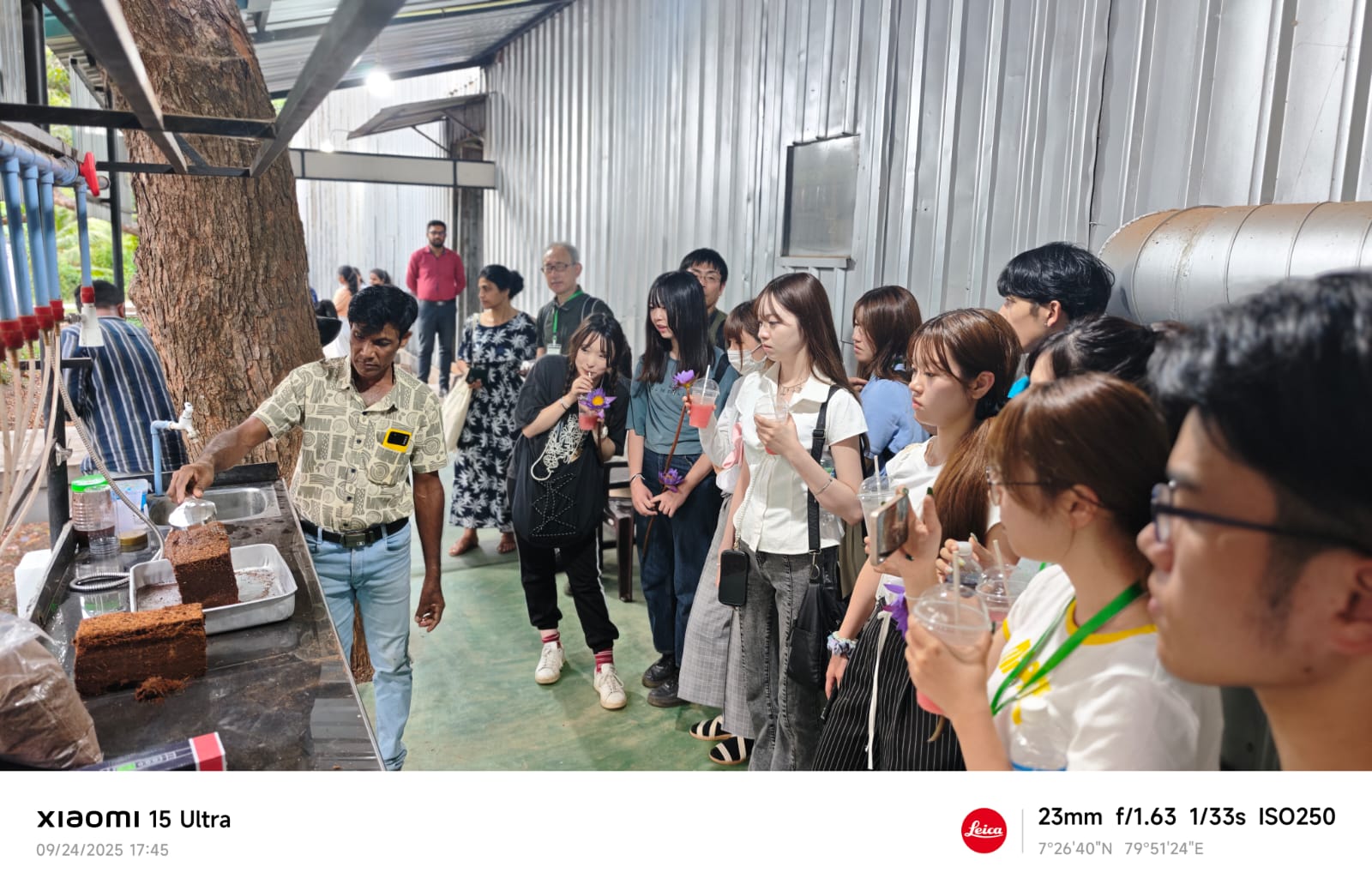
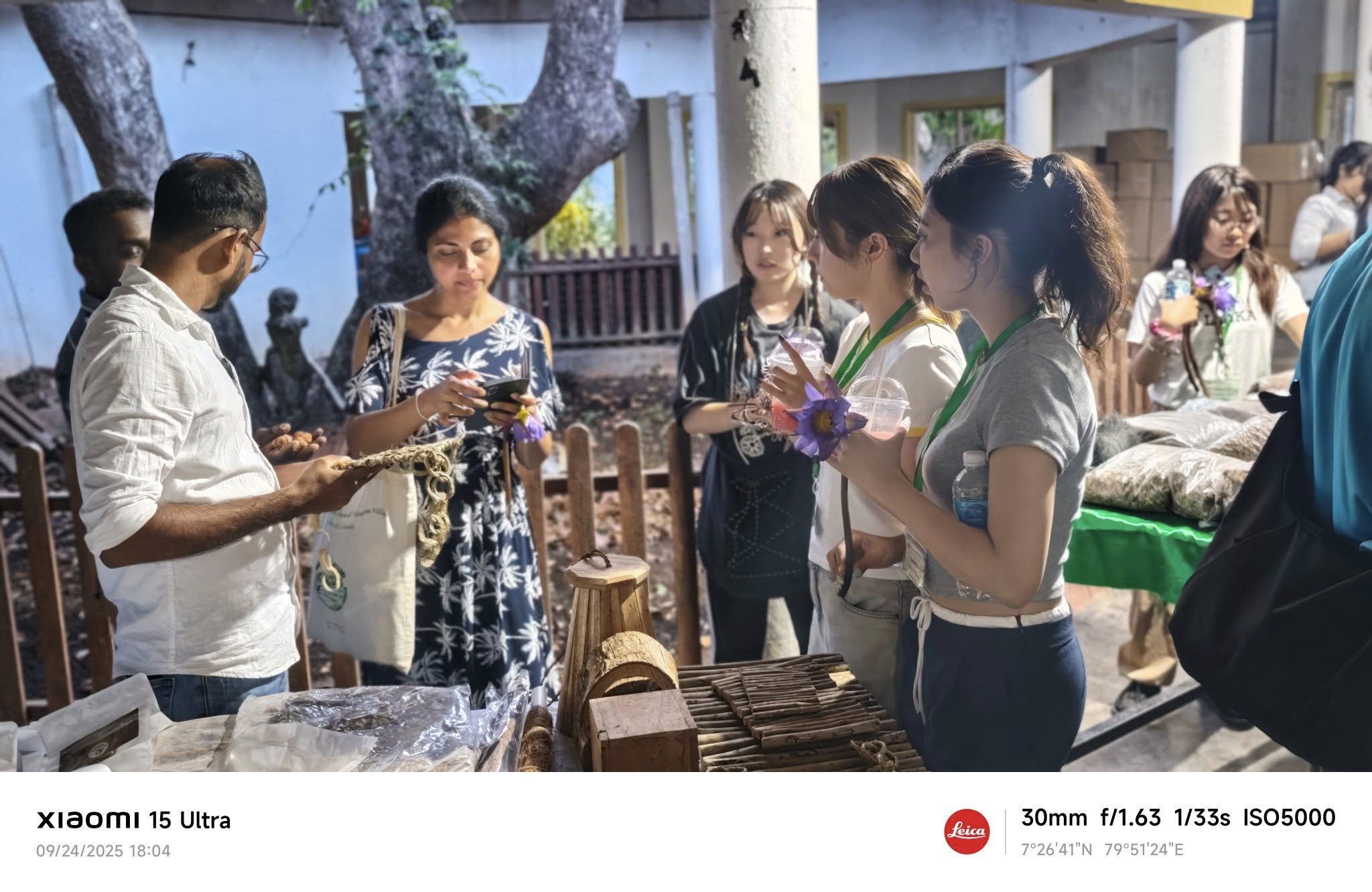
During their visit, the students had the unique opportunity to experience the entire product development journey—from design concept to production. Green Space’s specialists guided them through several stages of sustainable product creation, showcasing how eco-friendly materials like coconut shells, coir, and wood are transformed into innovative lifestyle solutions.
Key Learning Areas Included:
- Sustainable Manufacturing: Students observed how raw materials are responsibly sourced and processed.
- Circular Economy Practices: Green Space demonstrated its zero-waste approach to production.
- Product Design and Innovation: The team shared insights on merging aesthetic appeal with environmental responsibility.
- Export and Global Market Readiness: Students learned how Sri Lanka’s eco-products reach customers across Europe, Asia, and the Americas.
“Seeing how local materials can become global products opened our eyes,” one student remarked. “It’s inspiring to see sustainability in action.”
Sustainability as a Shared Language
While the visit was educational, it also underscored a profound truth: sustainability is a universal value. Both Japan and Sri Lanka share deep cultural respect for nature and balance. Green Space’s sustainability model resonated strongly with the visiting students, who saw parallels between Sri Lankan eco-production and Japan’s long-standing traditions of minimalism and efficiency.
The discussions that followed explored:
- How businesses can reduce plastic dependency globally.
- The importance of youth-led innovation in achieving Sustainable Development Goals (SDGs).
- The role of ethical entrepreneurship in protecting the planet.
These dialogues fostered mutual respect and understanding, reinforcing the idea that meaningful partnerships can drive global progress toward environmental harmony.
Interactive Learning Sessions: Hands-On Sustainability
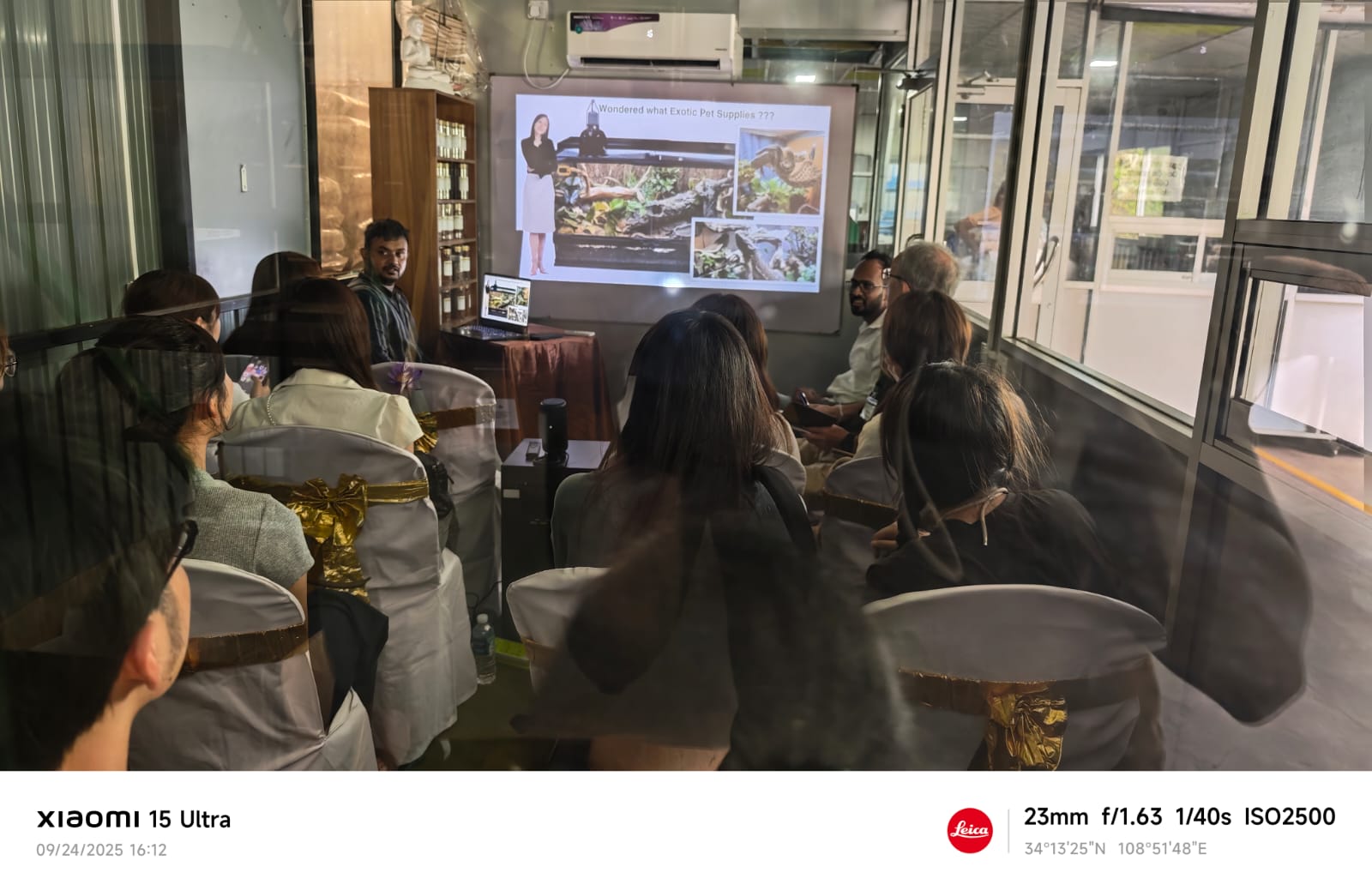
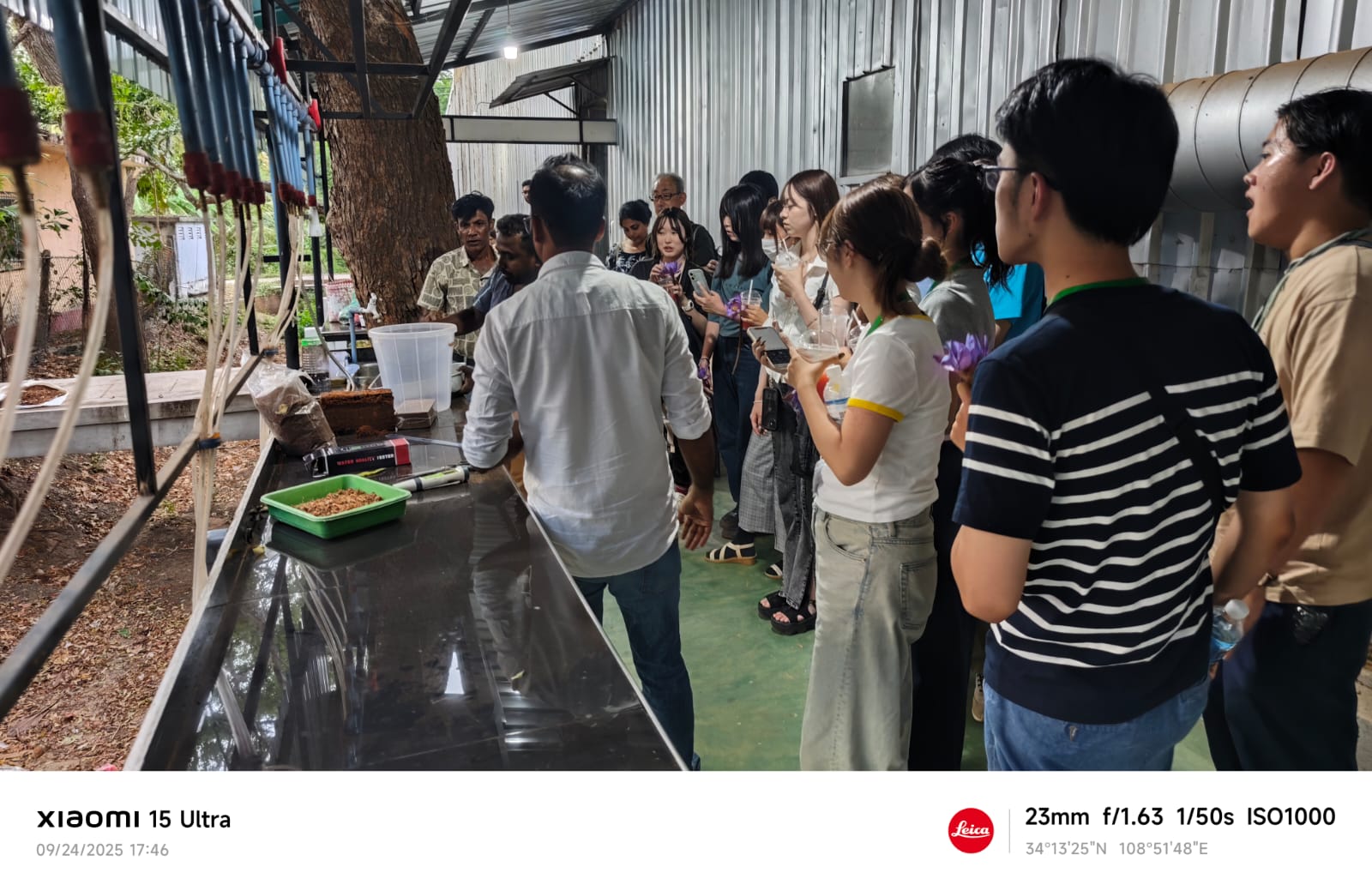
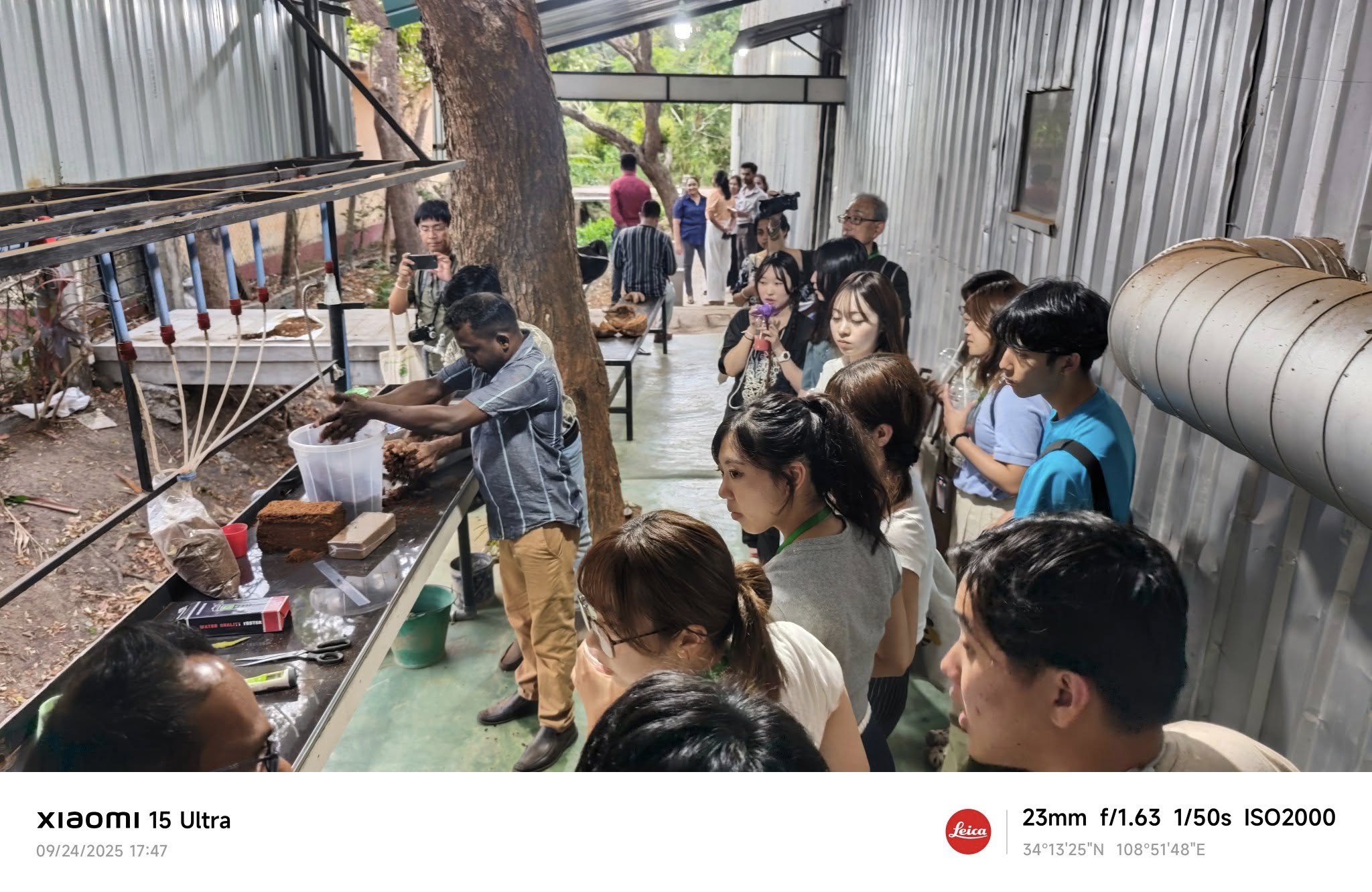
Green Space’s team organized engaging interactive workshops to help students experience sustainability beyond theory.
Activities Included:
- Eco-craft demonstrations, where students observed artisans creating coconut shell products.
- Sustainability brainstorming sessions, encouraging ideas for new eco-friendly designs.
- Q&A forums where students discussed real-world business challenges and environmental solutions.
Each interaction emphasized Green Space’s message that true innovation lies in creativity, responsibility, and collaboration.
Hospitality and Cultural Exchange
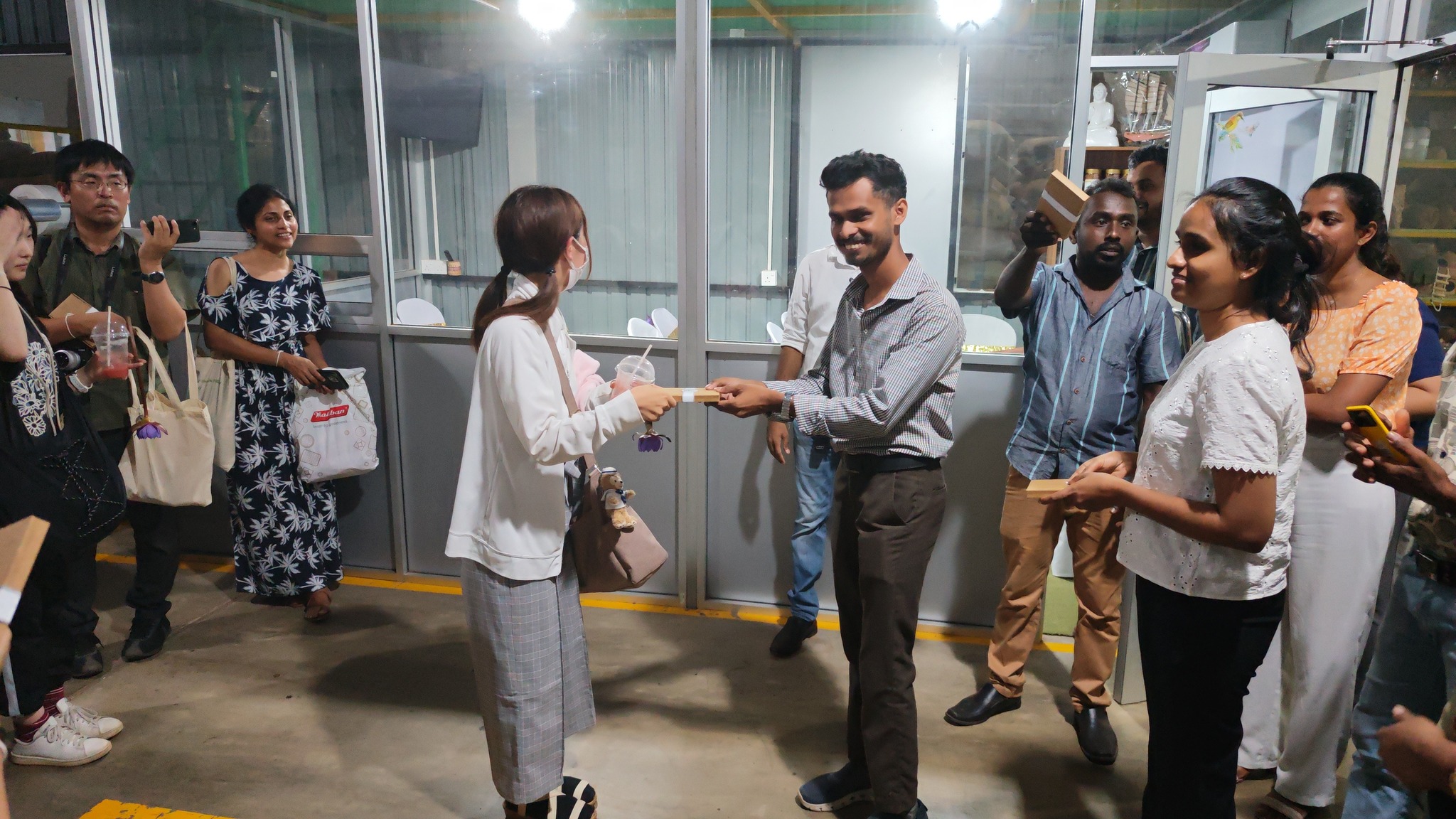
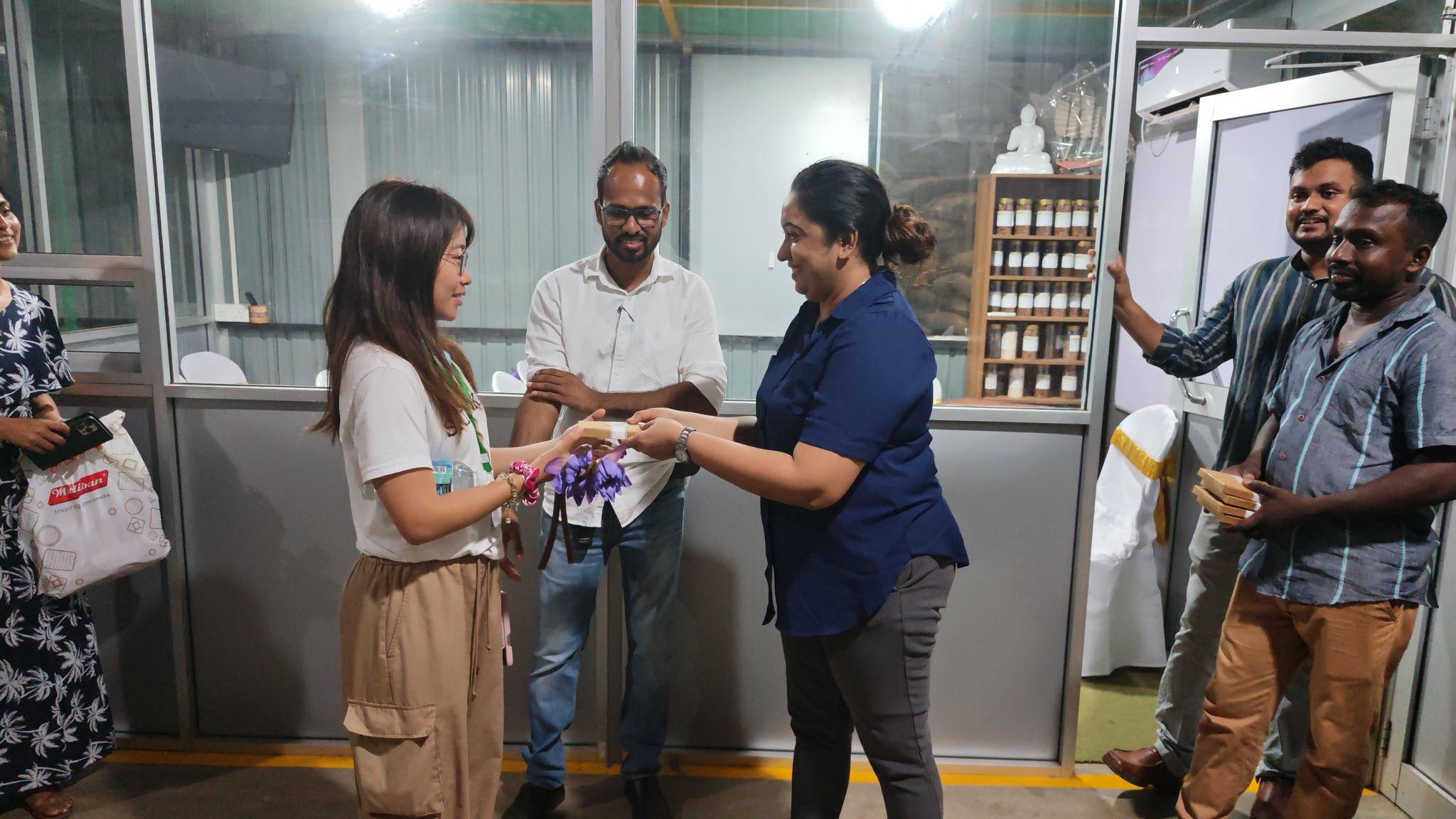
Beyond business and education, the visit celebrated the warmth of Sri Lankan hospitality. The students experienced traditional cuisine, exchanged souvenirs, and learned about Sri Lanka’s culture of community-based cooperation.
Green Space’s staff also learned about Japanese customs—admiring the students’ discipline, curiosity, and enthusiasm. The mutual respect between hosts and visitors created an atmosphere of friendship that transcended cultural boundaries.
“We didn’t just share knowledge,” said a Green Space team member. “We shared smiles, traditions, and a mutual hope for a sustainable future.”
The Importance of Educational Visits in Sustainability
This visit demonstrated the vital role corporate-academic partnerships play in advancing sustainability education. By opening its doors to international students, Green Space contributes to building a global learning network where young minds can engage directly with real-world applications of sustainable business models.
Benefits of Such Exchanges:
- Inspiring youth to take active roles in sustainability initiatives.
- Creating future leaders who understand both ecological and economic balance.
- Strengthening international goodwill through shared environmental goals.
Educational visits like this one turn abstract classroom concepts into tangible experiences that spark long-term impact.
Empowering the Next Generation
Green Space Holdings recognizes that the future of sustainability depends on empowering young people with the skills, exposure, and mindset necessary to innovate responsibly.
Through this initiative, the company not only educated students but also inspired them to become ambassadors of sustainability in their own communities.
Student Feedback
Many students shared their appreciation at the end of the visit:
“We learned how innovation can be simple and sustainable,” one student shared.
“Sri Lanka’s Green Space is proof that small steps can make a big global difference.”
Global Collaboration for a Greener Future
The visit from Japanese students reflects Green Space Holdings’ broader commitment to international collaboration. The company continues to engage with academic institutions, environmental organizations, and international partners to promote:
- Eco-friendly industrial development.
- Cross-border knowledge sharing.
- Joint research in sustainable product innovation.
Through such partnerships, Green Space strengthens its role as a bridge between nations—united by a shared vision for a sustainable planet.
Sustainability in Action: Green Space’s Model
The students’ visit provided a glimpse into how Green Space Holdings integrates sustainability into every aspect of its operations:
| Sustainability Aspect | Key Practice |
|---|---|
| Materials | Use of renewable resources like coconut shells and wood. |
| Energy | Adoption of energy-efficient manufacturing processes. |
| Community | Empowerment of local artisans and small suppliers. |
| Exports | Ethical trade practices and eco-certified packaging. |
This holistic approach demonstrates that sustainability is not a marketing slogan—it’s a business philosophy that drives innovation and inclusion.
Cultural Diplomacy Through Sustainability
The Japanese student visit also played a role in strengthening Sri Lanka–Japan relations through cultural and educational diplomacy.
Such exchanges reinforce mutual trust, open avenues for research collaboration, and inspire innovation that benefits both nations.
“When youth from two cultures share ideas on protecting the environment, it creates hope for the world,” said a Green Space representative.
Looking Ahead: Building on the Momentum
Encouraged by the success of this visit, Green Space Holdings plans to host similar programs for students, researchers, and sustainability advocates from around the world.
Future plans include:
- Launching an Eco-Education Exchange Programme.
- Partnering with Japanese universities for joint research on sustainable materials.
- Expanding student workshops into annual sustainability camps in Sri Lanka.
These initiatives aim to make Sri Lanka a regional hub for green education and innovation.
Building a Shared Vision for a Greener World
The visit from Japanese students to Green Space Holdings (Pvt) Ltd was more than an academic experience—it was a celebration of shared values, mutual respect, and the universal pursuit of sustainability.
By opening its doors to young global citizens, Green Space reaffirmed its mission: to lead through innovation, educate through example, and inspire through collaboration.
This memorable visit reminded everyone present that the seeds of a sustainable future are planted not only in factories and laboratories—but in the minds and hearts of the next generation. 🌏💚