

A Step Toward a Greener Tomorrow
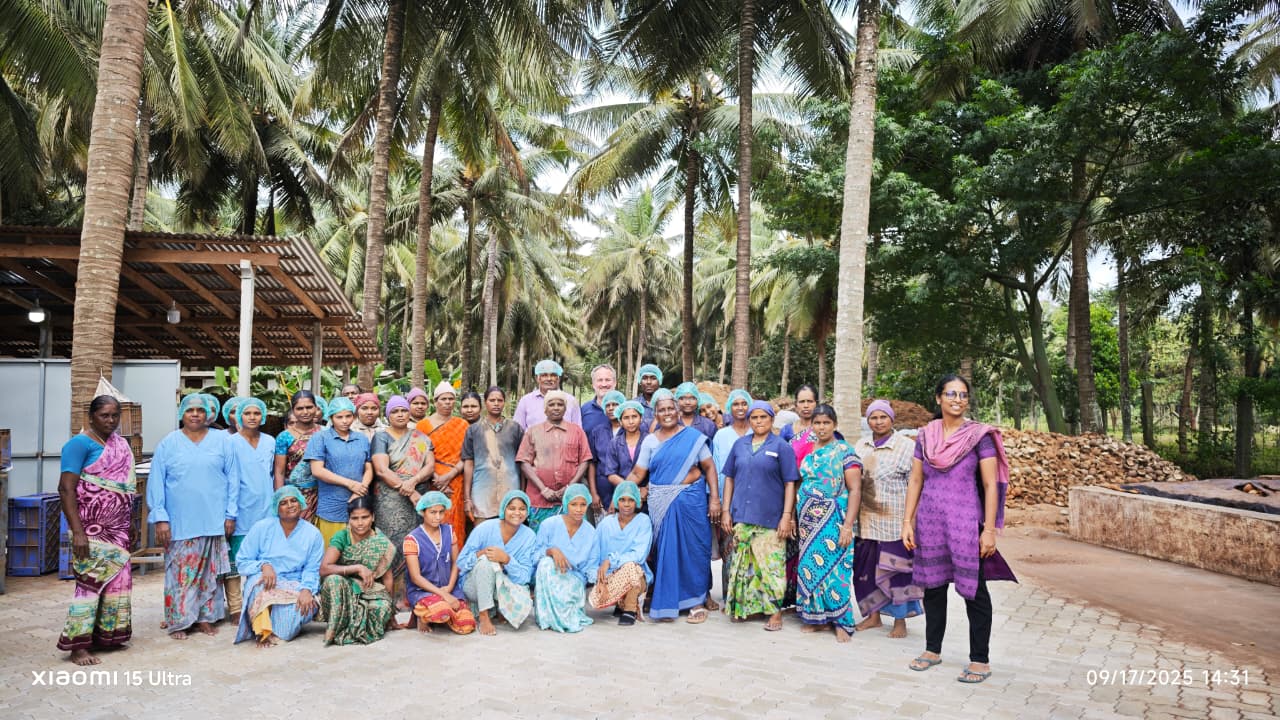
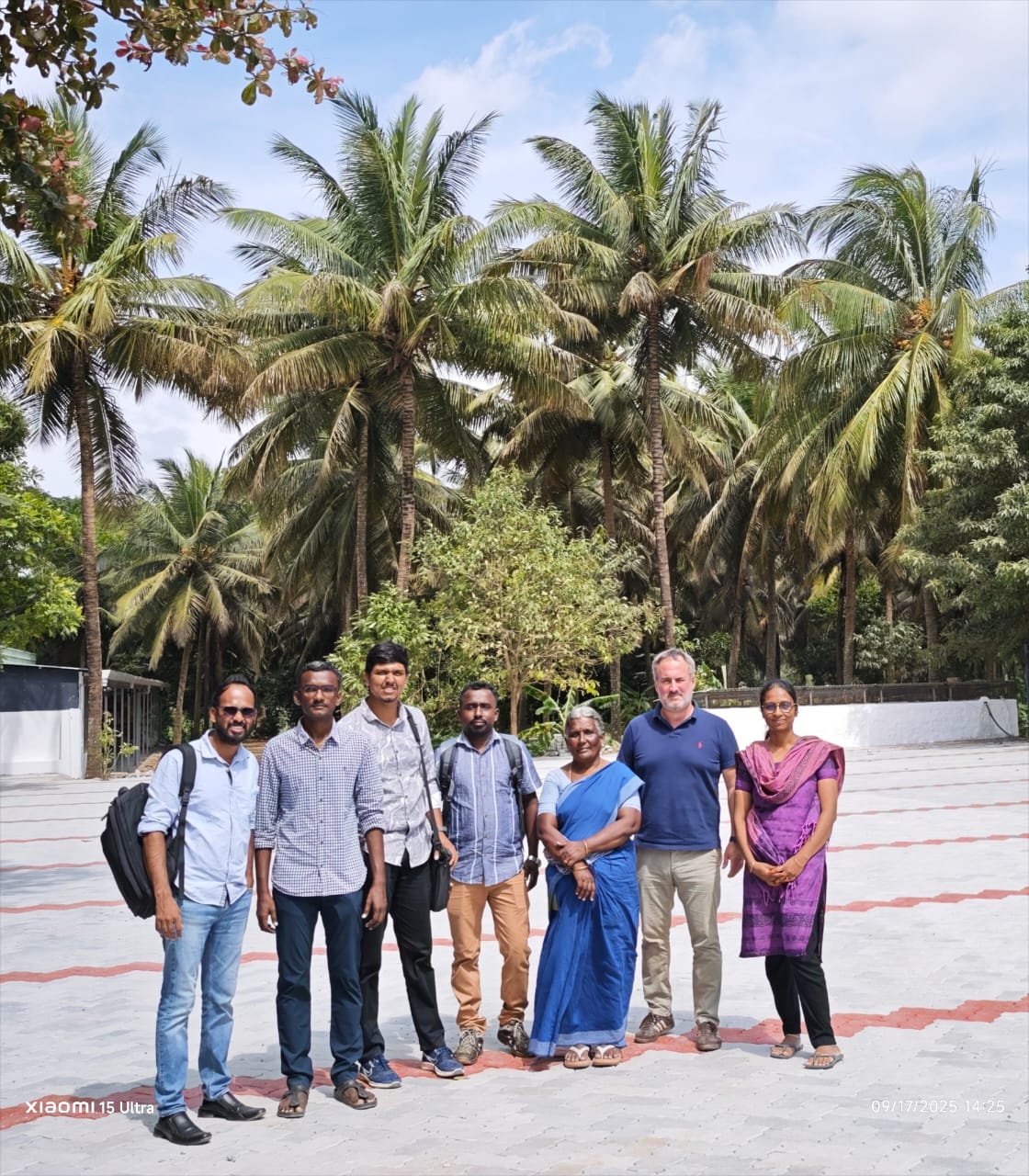
In an era defined by environmental responsibility and innovation, Green Space International (Pvt) Ltd continues to lead Sri Lanka’s transformation toward sustainable industrial development. The company’s recent strategic field visit to Coimbatore, India, marked a crucial milestone in its mission to pioneer sustainable packaging innovation—specifically through the development of coconut shell ice cream cups designed for global markets.
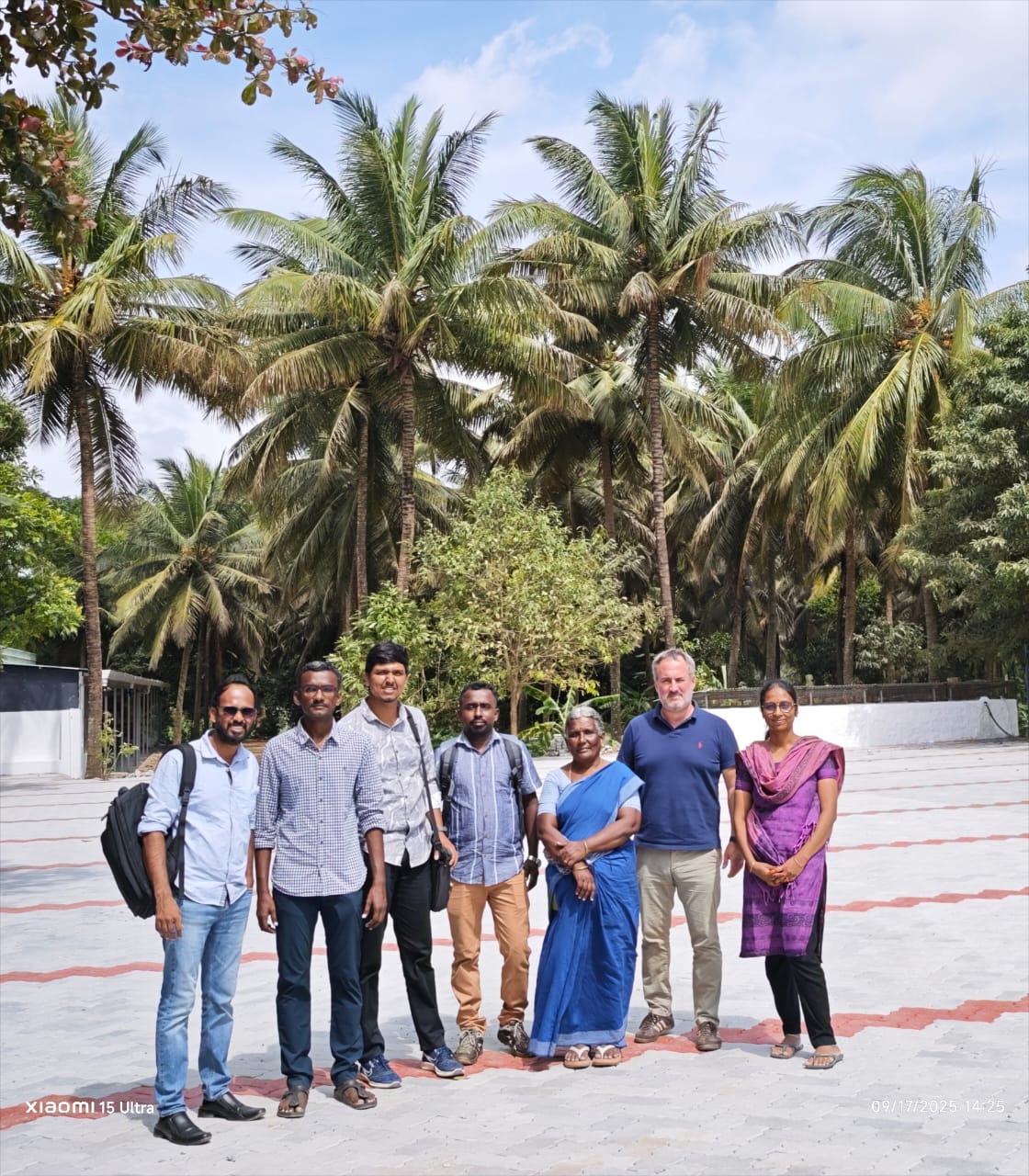
Led by Managing Director Mr. Namal Jayasekara, along with International Marketing Executive Mr. Chamara Lankathilaka and Production Executive Mr. Dhanush Sandaruwan, this field mission reflected a commitment not just to technology adoption, but to knowledge-driven growth and responsible innovation.
Purpose of the Visit: Learning from Experience
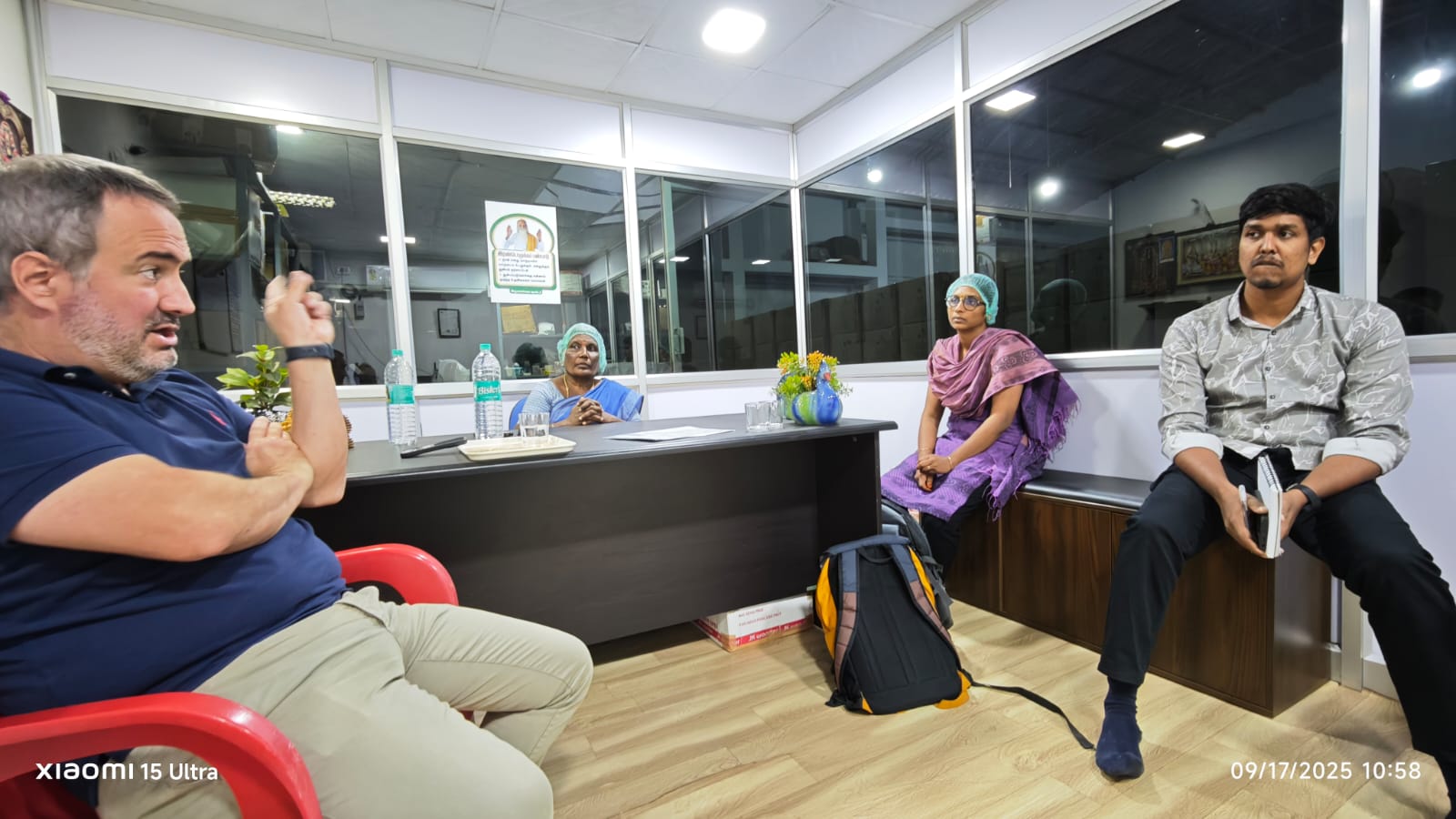
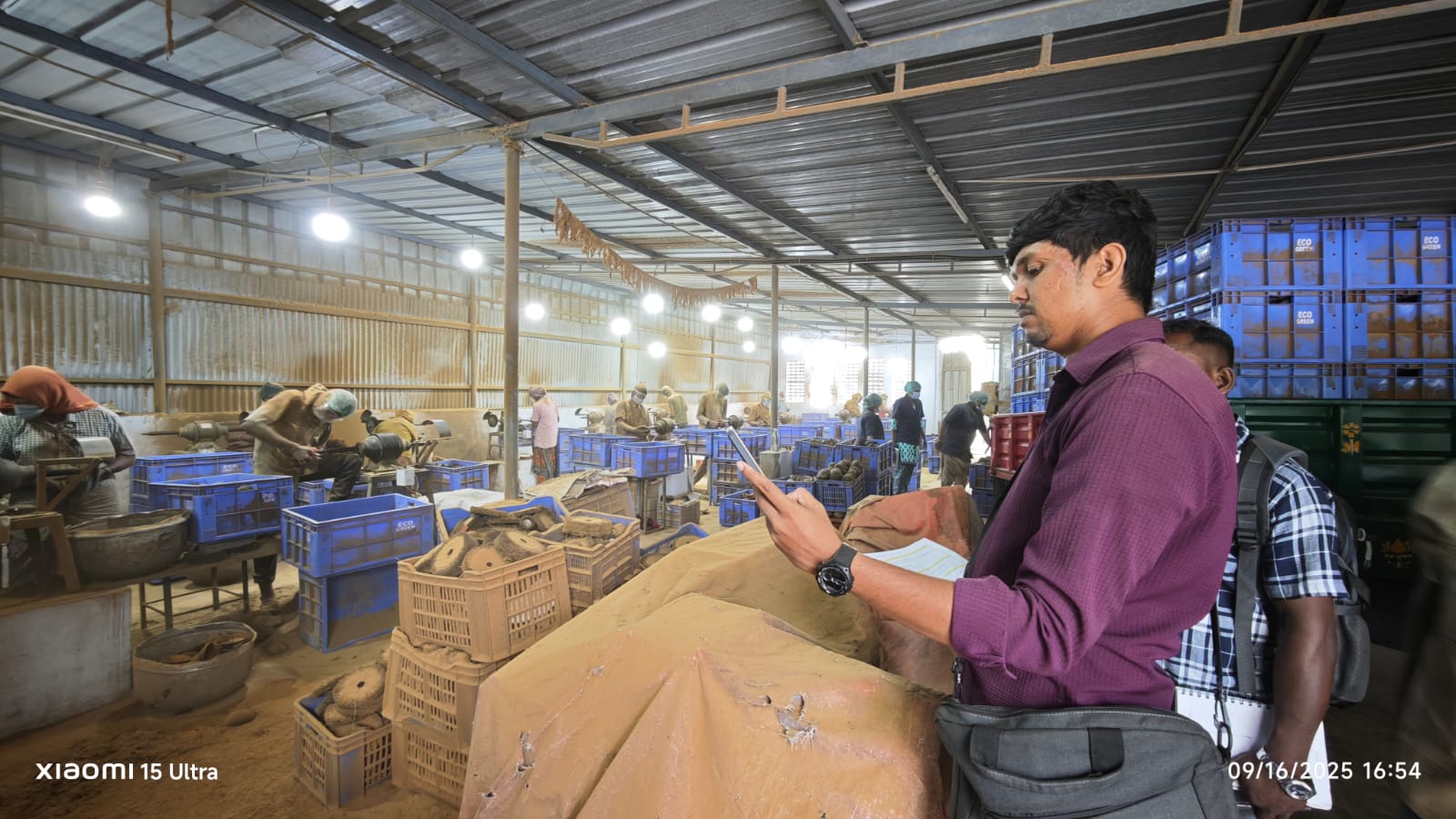
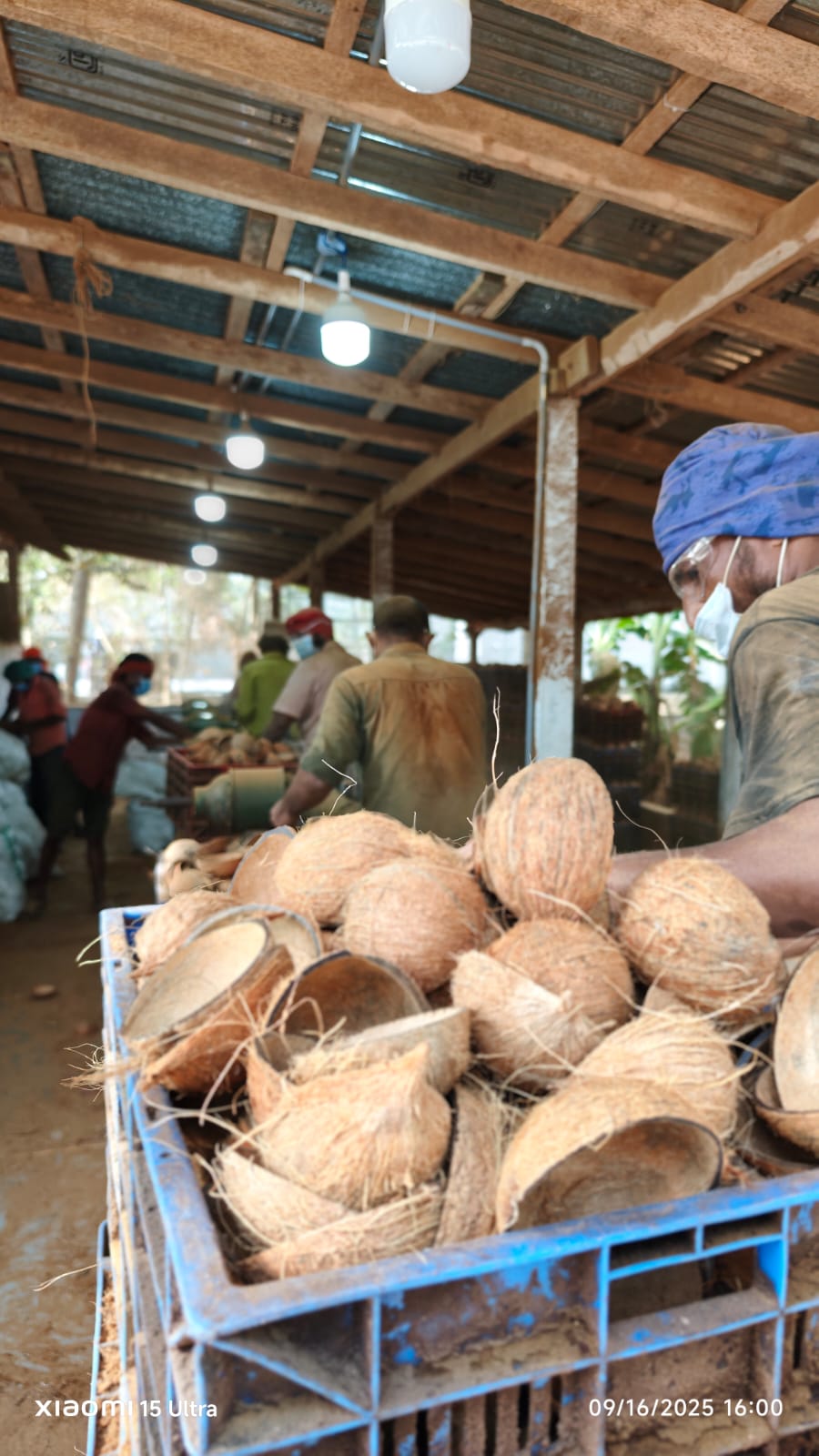
The primary objective of this visit was to gain firsthand exposure to advanced coconut shell ice cream cup manufacturing facilities in Coimbatore—an Indian city renowned for its excellence in sustainable production and engineering efficiency.
By observing industry leaders and examining operational best practices, Green Space International sought to:
- Deepen its understanding of single-use, food-grade coconut shell packaging.
- Assess production efficiency and quality control systems.
- Evaluate regulatory compliance with international food packaging standards.
- Explore cost-effective production methodologies suitable for scaling in Sri Lanka.
“We believe innovation thrives where knowledge meets collaboration,” said Mr. Namal Jayasekara. “This field visit was about learning from established ecosystems to refine our own sustainable packaging vision.”
Why Coimbatore? A Strategic Destination for Learning
Coimbatore stands as one of India’s industrial powerhouses—known for its precision manufacturing, technological innovation, and sustainability-driven industries. The city’s expertise in coconut-based processing and eco-friendly packaging made it an ideal destination for Green Space’s delegation.
The region’s manufacturers have successfully integrated modern automation with traditional resource utilization, particularly in repurposing agricultural byproducts like coconut shells into export-quality biodegradable packaging.
This synergy aligns perfectly with Green Space International’s vision of transforming Sri Lankan agricultural waste into high-value sustainable products.
Focus Area 1: Process Efficiency Optimization
Streamlining Production for Scalability
During the visit, the team studied advanced production workflows used by Indian manufacturers to improve throughput while maintaining consistency. They analyzed:
- Machinery integration for efficient shell processing.
- Automation techniques reducing manual labor dependency.
- Time-motion analysis to enhance productivity per shell unit.
These insights will play a vital role in designing Green Space’s production facility—allowing the company to build scalable systems capable of meeting growing international demand.
Focus Area 2: Food-Grade Hygiene and Compliance
Setting Global Standards in Safety
Food packaging requires stringent adherence to hygiene and regulatory norms. The delegation observed how Indian plants comply wiis exposure reinforced Green Space’s commitment to implementing world-class safety and cleanliness protocols in its Sri Lankan operations.
The company plans to incorporate:
- Dedicated cleaning and sterilization zones.
- Quality testing laboratories.
- Traceability systems for every batch of coconut shells used.
These enhancements will ensure global compliance and customer trust, critical for entering European and North American markets.
Focus Area 3: Cost-Effective Production Methodologies
Balancing Quality with Affordability
A key takeaway from the Coimbatore visit was understanding how manufacturers achieve cost competitiveness without compromising product integrity.
This includes:
- Local sourcing of raw materials to minimize logistics expenses.
- Energy-efficient processing equipment to lower operational costs.
- Waste-to-value systems, where shell byproducts are reused for energy generation.
By adopting these models, Green Space aims to maintain competitive pricing for its export products while retaining Sri Lanka’s commitment to ethical manufacturing.
Focus Area 4: EU Compliance and Export Readiness
Building for International Markets
With European consumers leading the shift toward sustainable packaging, EU compliance is crucial for Green Space’s expansion strategy.
The Coimbatore study provided actionable guidance on:
- Material testing for EU food safety standards.
- Product labeling and traceability documentation.
- Packaging sustainability certifications (e.g., FSC, TÜV).
This knowledge ensures that the Sri Lankan facility will be export-ready from day one, giving Green Space a strong foothold in global markets.
Innovation in Focus: Coconut Shell Ice Cream Cups
Turning Waste into Wealth
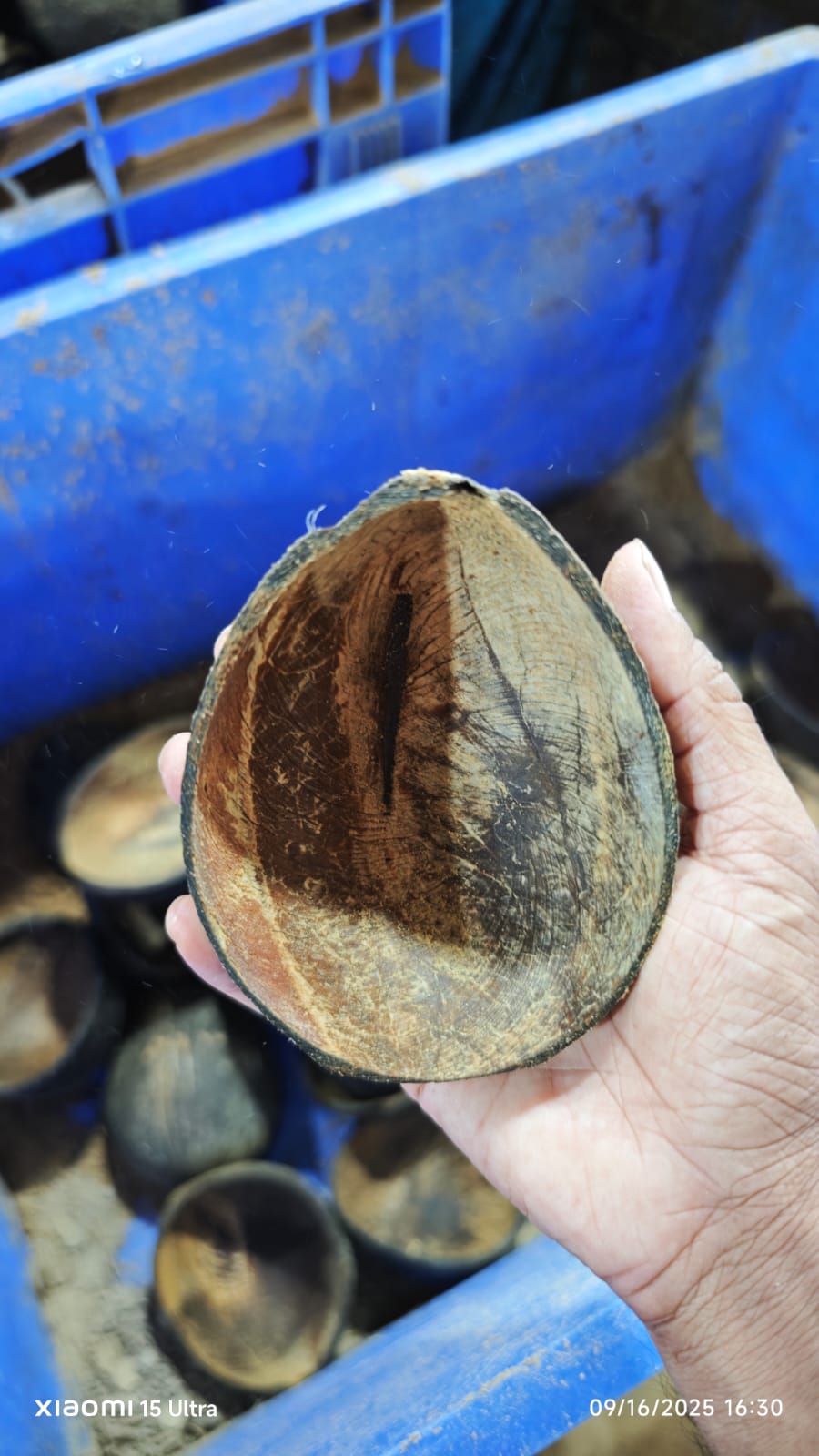
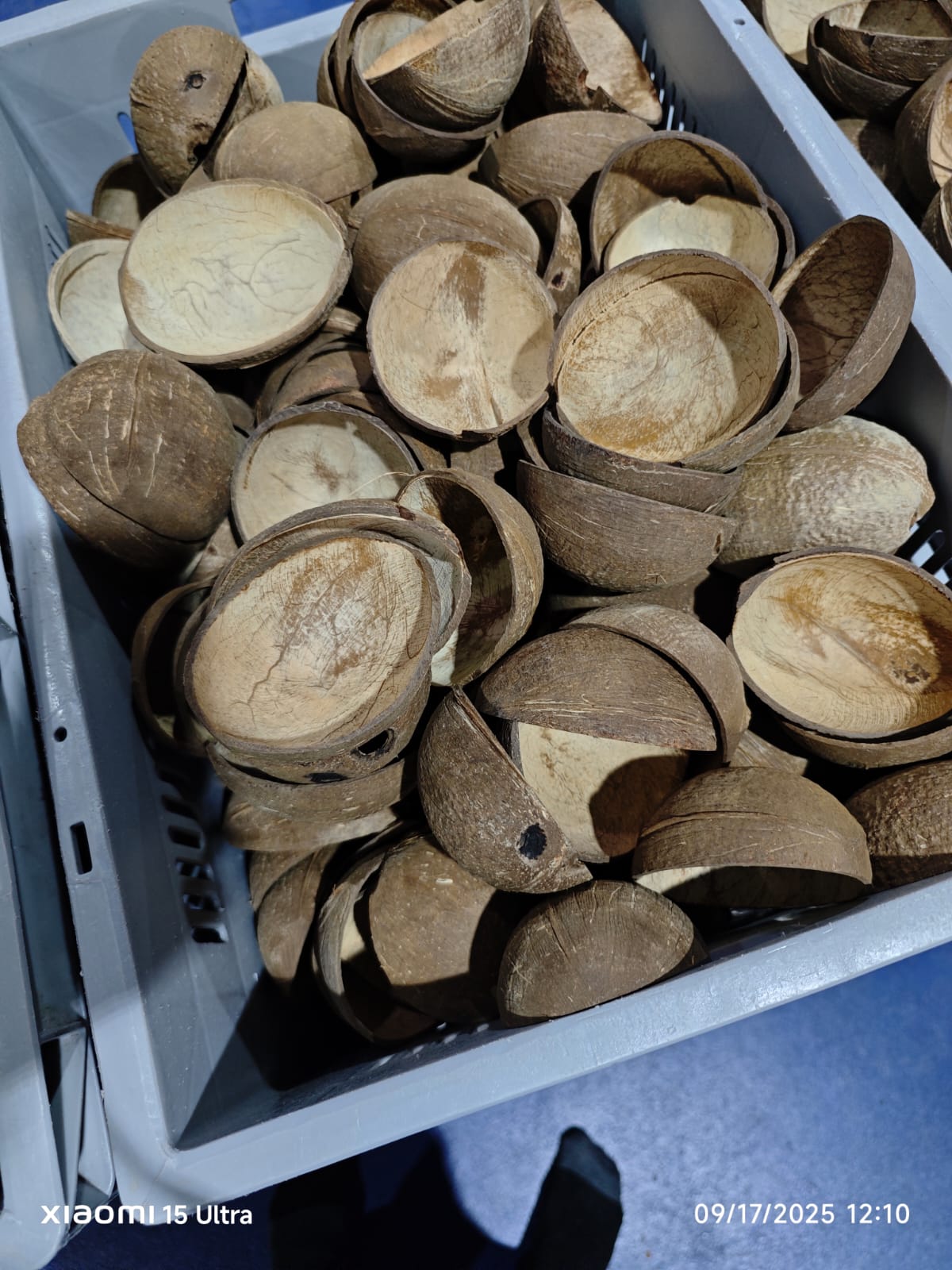
The heart of this initiative lies in the development of biodegradable ice cream cups made from coconut shells—a concept that marries environmental responsibility with product innovation.
These cups are:
- Completely natural and compostable.
- Free from plastics or synthetic resins.
- Durable and aesthetically appealing for the premium dessert market.
With the global single-use plastic ban accelerating, coconut shell packaging offers a commercially viable, eco-conscious solution—transforming agricultural waste into a global export commodity.
From Coimbatore to Colombo: Applying Lessons Learned
Translating Insight into Action
Following the field visit, Green Space International is implementing a structured action plan to translate its learnings into tangible outcomes in Sri Lanka.
Planned Initiatives Include:
- Setting up a state-of-the-art manufacturing facility for coconut shell packaging.
- Investing in R&D for product innovation and quality assurance.
- Developing training modules for local workers on sustainable manufacturing practices.
- Creating a supplier network among coconut farmers for consistent raw material sourcing.
This cross-border knowledge exchange marks a new chapter in Sri Lanka’s journey toward green industrialization.
Sustainability and Circular Economy Impact
Maximizing Resource Utilization
The project contributes directly to Sri Lanka’s circular economy by converting agricultural byproducts into valuable exports.
Key benefits include:
- Reducing waste and carbon emissions.
- Creating rural employment through coconut shell collection and processing.
- Strengthening export diversification beyond traditional commodities.
Green Space’s model represents a win-win for economy and ecology, aligning with the UN’s Sustainable Development Goals (SDGs)—particularly SDG 9 (Industry, Innovation & Infrastructure) and SDG 12 (Responsible Consumption & Production).
Cross-Border Collaboration: A Pathway to Regional Growth
This visit to Coimbatore exemplifies how South Asian collaboration can drive sustainable innovation.
By partnering across borders, companies like Green Space and Indian manufacturers can share expertise, boost regional value chains, and set new standards for eco-friendly industrial cooperation.
Such collaborations also contribute to regional climate goals and green trade diplomacy, positioning South Asia as a collective hub for sustainable innovation.
The Role of Leadership: Mr. Namal Jayasekara’s Vision
Guiding with Purpose and Clarity
Under the leadership of Mr. Namal Jayasekara, Green Space International has consistently embraced innovation, sustainability, and strategic foresight.
His approach to leadership emphasizes:
- Hands-on learning through field exposure.
- Empowering teams with global best practices.
- Aligning business strategy with environmental values.
By championing these principles, Mr. Jayasekara continues to shape Green Space into a benchmark enterprise for green manufacturing in Sri Lanka.
Global Relevance: Meeting the Demand for Sustainable Packaging
The eco-packaging market is projected to exceed USD 550 billion by 2030, driven by environmental regulations and consumer demand.
Green Space International’s initiative positions Sri Lanka to capitalize on this growth by:
- Offering regionally produced sustainable packaging solutions.
- Reducing import dependency for eco-materials.
- Enhancing export competitiveness in high-demand sectors like hospitality and FMCG.
This proactive adoption of sustainable packaging aligns with global decarbonization goals and enhances Sri Lanka’s reputation as a sustainable manufacturing destination.
Economic and Community Impact
| Impact Area | Benefit |
|---|---|
| Employment Generation | Creating new jobs in rural coconut-producing regions. |
| Export Growth | Boosting foreign exchange through eco-product exports. |
| Technology Transfer | Introducing advanced manufacturing techniques to Sri Lanka. |
| Skill Development | Upskilling youth and workers in modern production systems. |
Through this initiative, Green Space International reaffirms its role as a catalyst for inclusive and sustainable economic growth.
Future Outlook: Building a Greener Supply Chain
Looking ahead, Green Space aims to expand its sustainable packaging division beyond coconut shells to include:
- Bamboo-based tableware.
- Areca palm packaging.
- Compostable biopolymer blends.
The Coimbatore experience will continue to guide Green Space’s journey as it establishes Sri Lanka’s first integrated sustainable packaging hub—a model that can be replicated regionally.