
In today’s rapidly evolving business world, collaboration has become the key driver of sustainable growth. For Green Space International (Pvt) Ltd, partnerships are not just alliances—they are catalysts for innovation, inclusion, and long-term value creation.
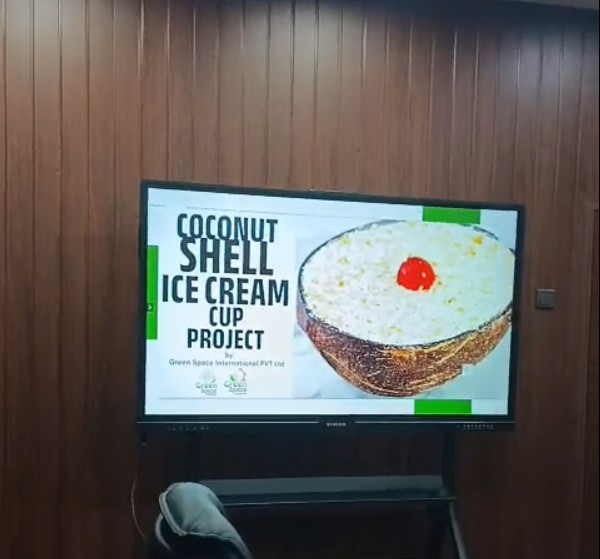
Through its groundbreaking Coconut Shell Ice Cream Cup Project, the company is redefining how industries grow—by working together. This initiative demonstrates how collaborations for growth and scale can unite diverse stakeholders around a shared vision of economic empowerment and environmental responsibility in Sri Lanka.
The Strategic Value of Collaboration
Green Space International’s leadership recognizes that achieving scale and sustainability requires more than capital—it requires strategic partnerships that blend expertise, infrastructure, and shared purpose.
Collaborations serve as bridges between innovation and implementation, enabling companies to:
- Access new markets
- Enhance operational efficiency
- Share technical know-how
- Accelerate sustainable transformation
The company’s approach exemplifies how partnership-based growth can multiply outcomes that no single entity could achieve alone.
The Coconut Shell Ice Cream Cup Project
At the heart of this collaborative philosophy lies the Coconut Shell Ice Cream Cup Project—an innovative export-oriented venture that transforms agricultural waste into high-value, eco-friendly products.
What began as an idea to repurpose discarded coconut shells has evolved into a national model for circular economy innovation, thanks to Green Space’s strategic alliances with key public and private stakeholders.
Strategic Collaborations Driving the Project
Partnership with the National Livestock Development Board (NLDB)
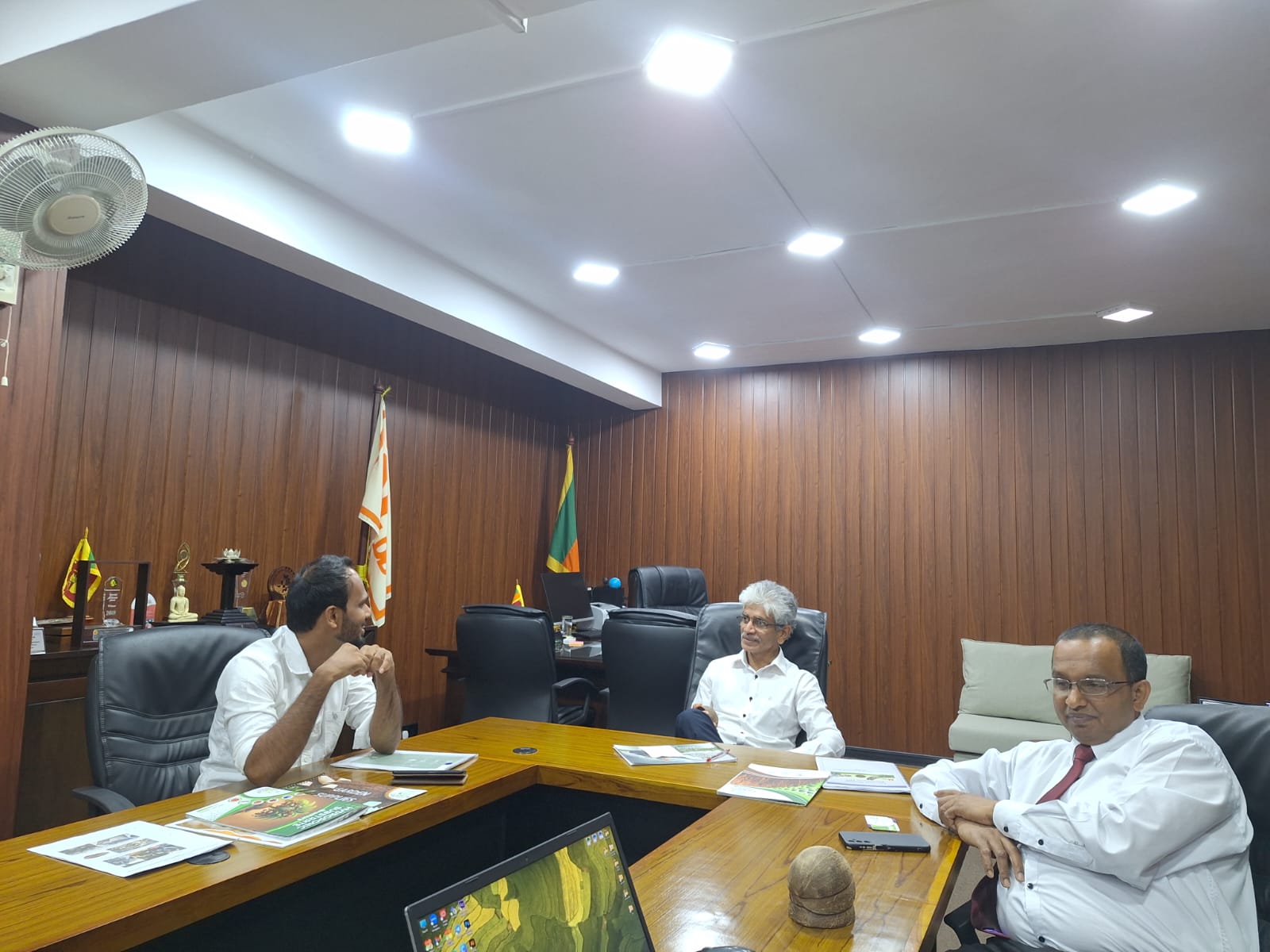
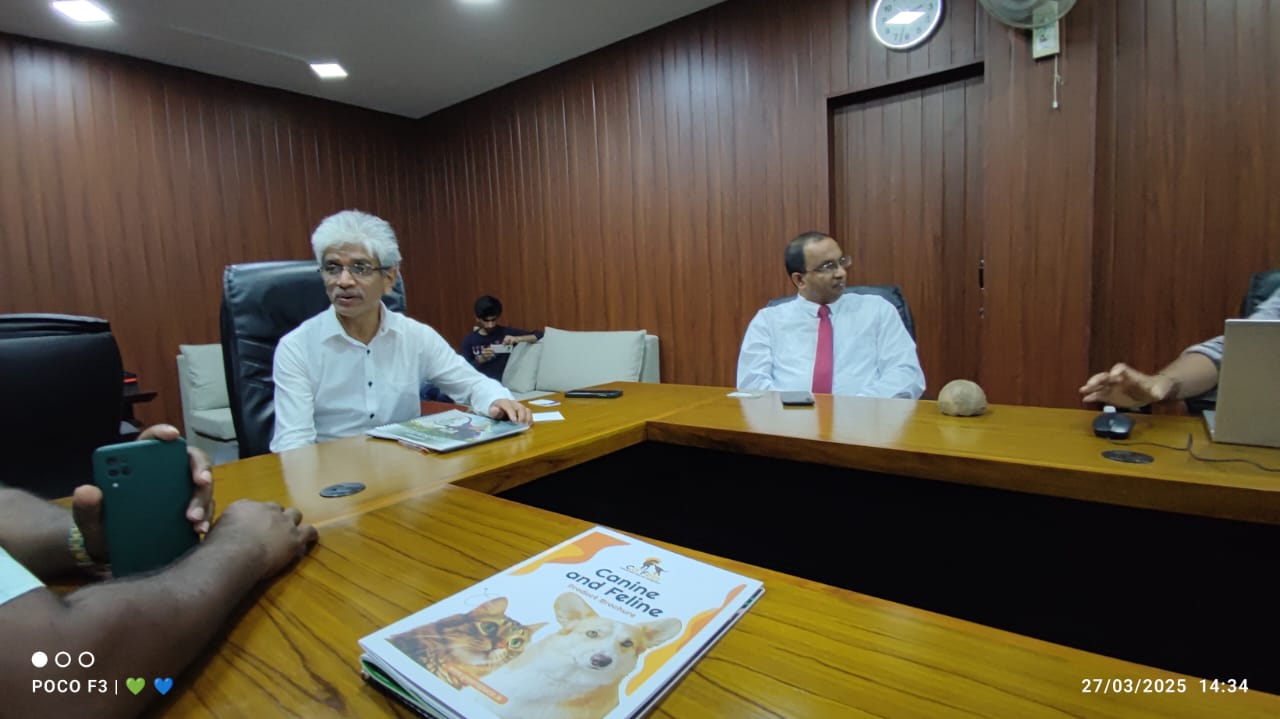
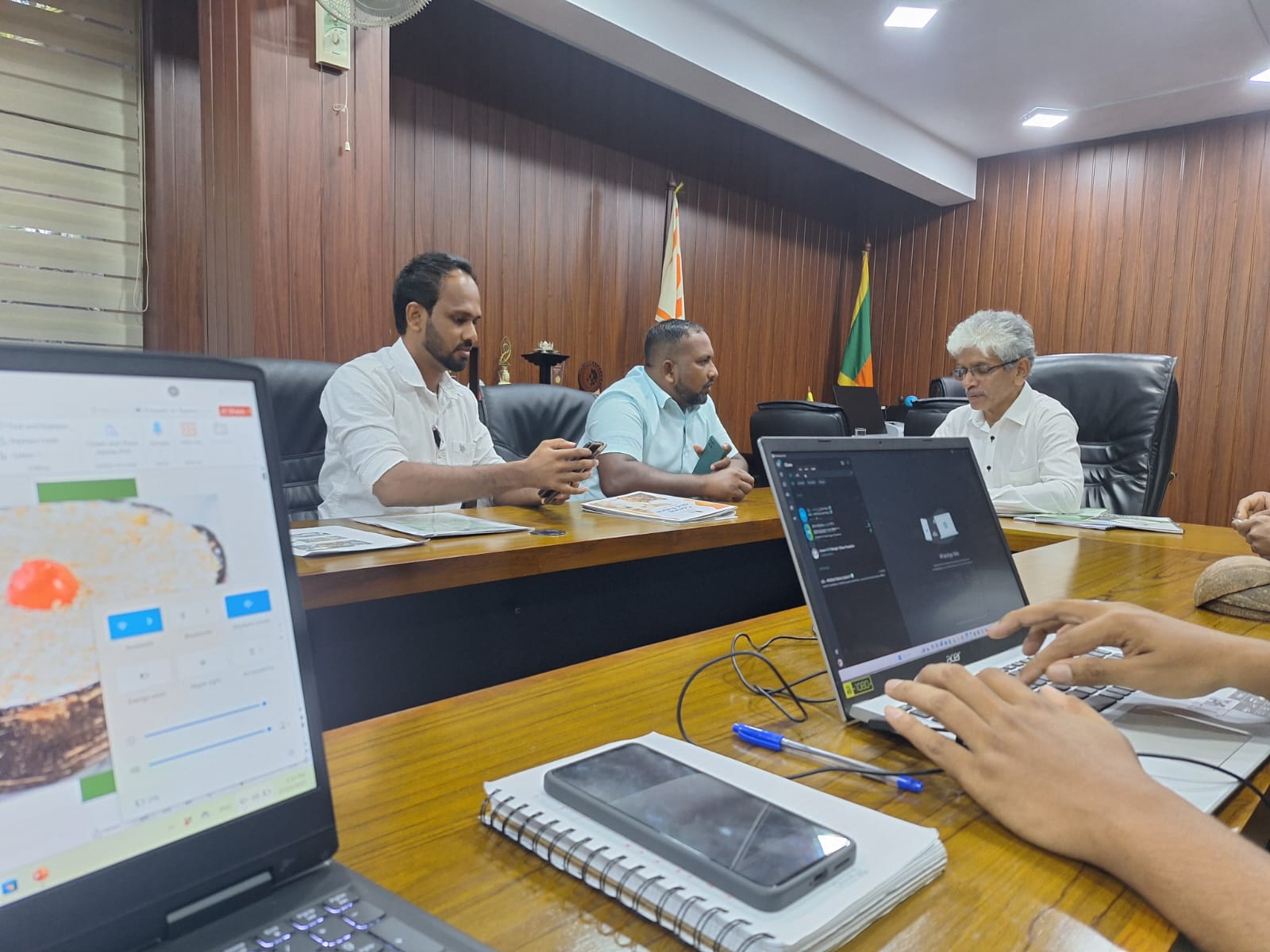
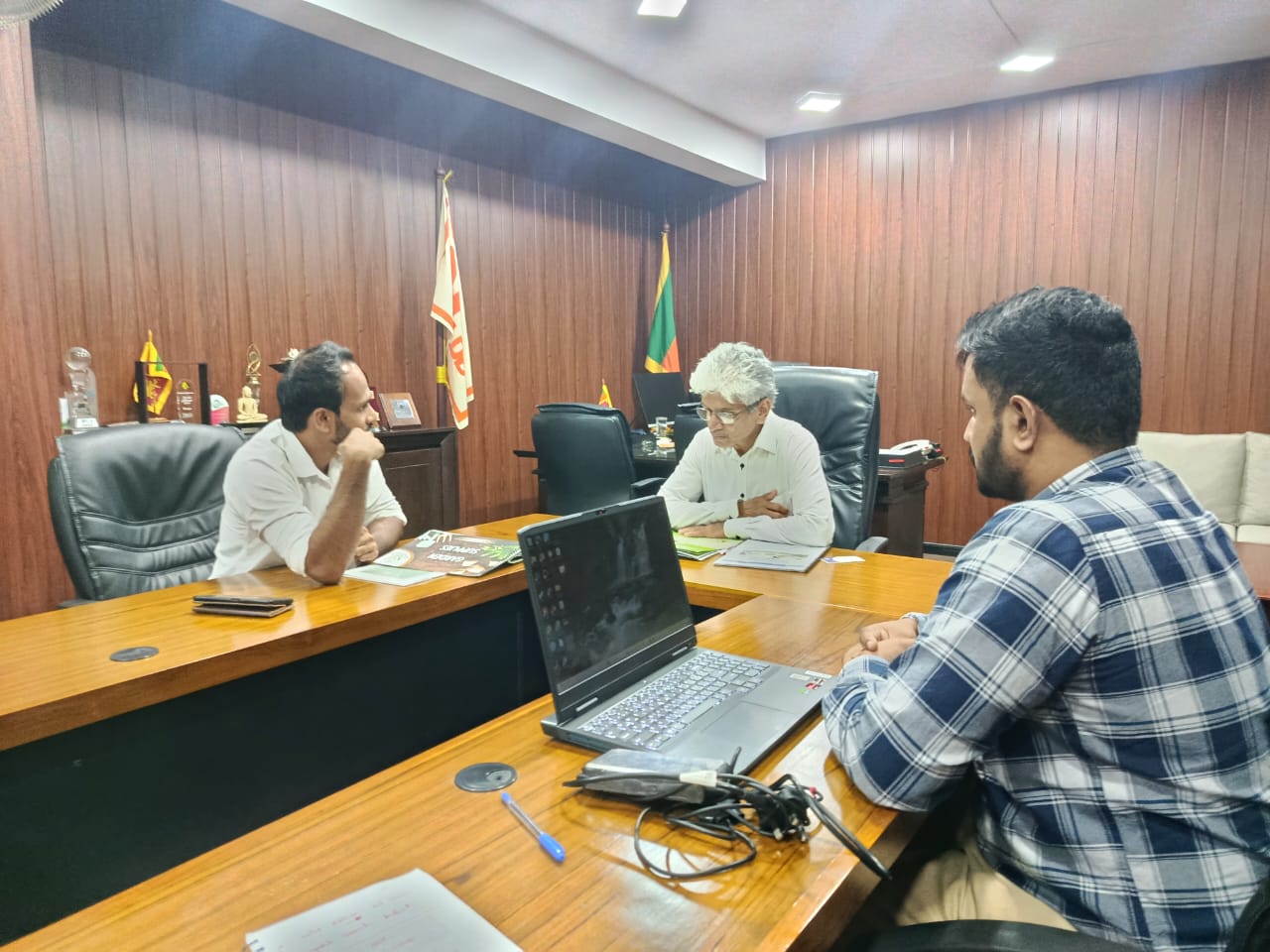
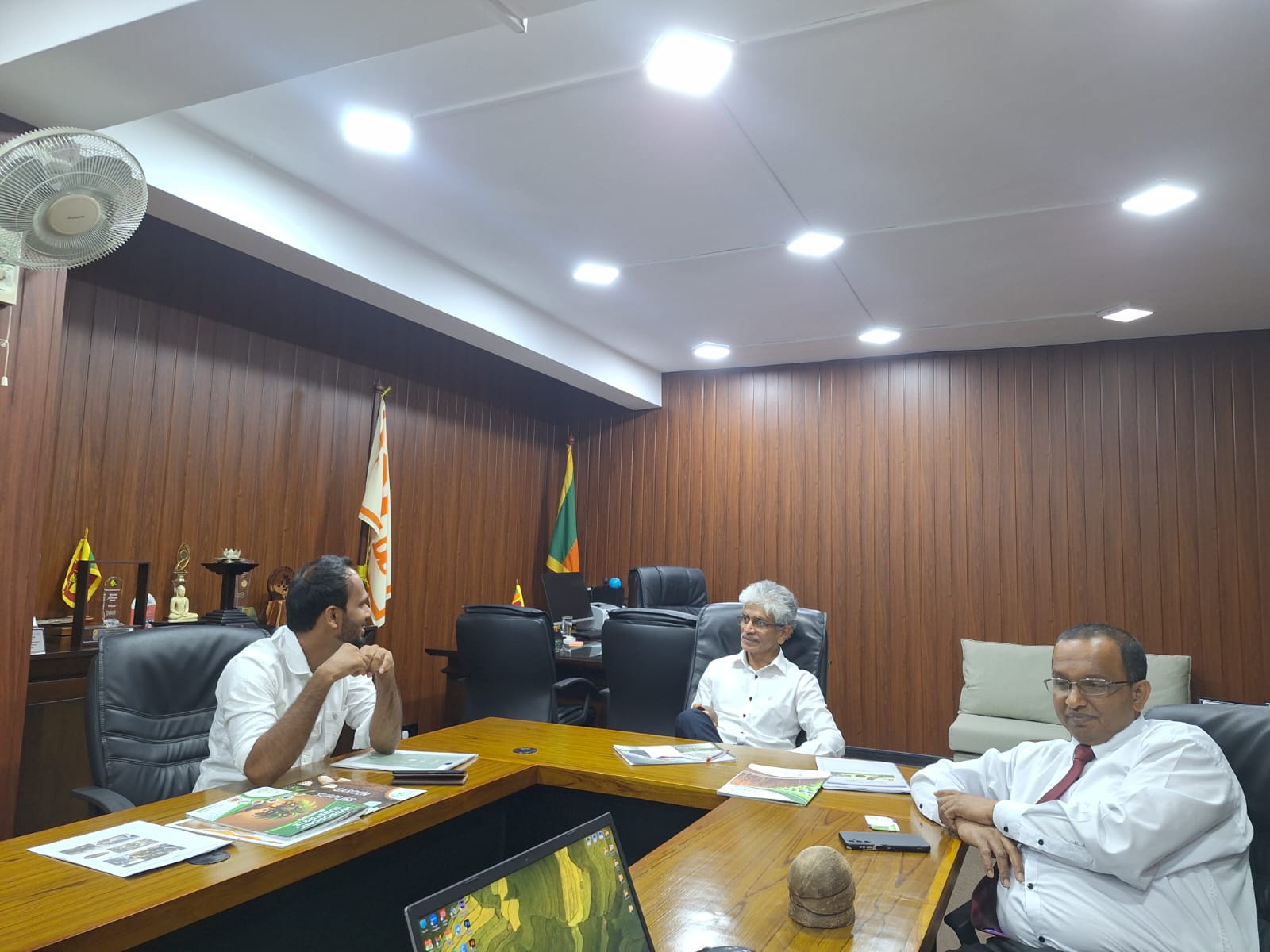
Green Space International recently held a high-level discussion with Dr. B.C.S. Perera, Chairman of the National Livestock Development Board (NLDB), focusing on scaling production and optimizing operations.
This partnership aims to:
- Enhance production efficiency through shared infrastructure.
- Strengthen supply chain logistics for sustainable scaling.
- Develop a go-to-market strategy for global exports.
Through the NLDB’s extensive network and experience in agribusiness, Green Space gains a strategic partner to support national-level growth in agro-industrial innovation.
How Collaboration Fuels Growth and Scale
1. Shared Knowledge and Expertise
Each partner brings unique strengths—Green Space’s sustainability expertise, NLDB’s supply chain reach, and MILCO’s production standards. Together, they create an ecosystem of learning and shared innovation.
2. Resource Optimization
Collaborations allow efficient use of existing assets, from logistics networks to production infrastructure, lowering costs and reducing duplication.
3. Market Access and Expansion
By aligning with established organizations, Green Space gains access to domestic and international markets faster, scaling operations without compromising quality.
4. Risk Mitigation
Partnerships diversify operational risks by sharing investment responsibilities and reducing dependency on single-sector vulnerabilities.
Economic Impact: Building a Collaborative Growth Model
The Coconut Shell Ice Cream Cup Project is expected to deliver measurable, scalable economic impact for Sri Lanka:
| Impact Area | Expected Outcome |
|---|---|
| Foreign Exchange Contribution | USD 1.5 million annually through exports |
| Direct Employment | 30 new jobs in first month, uplifting 10 low-income families |
| Indirect Employment | 40+ jobs in logistics, packaging, and processing |
| Industry Revitalization | New market for coconut farmers and shell processors |
This collaborative model demonstrates how multi-sector partnerships can achieve inclusive growth while driving foreign revenue and rural development.
Innovation Through Partnership: Turning Waste into Value
Coconut shells, once considered agricultural waste, are now the raw material for a high-demand, export-grade eco-product.
Green Space International’s innovative design and production process—developed in consultation with local and international experts—transforms these shells into durable, biodegradable ice cream cups that meet global sustainability standards.
This waste-to-wealth transformation underscores how collaboration amplifies innovation—creating shared value for industries, communities, and the environment.
Collaborations for Sustainable Industry Transformation
Green Space International’s partnerships go beyond production—they’re a blueprint for sustainable industrial transformation.
Empowering Local Communities
The company works closely with rural coconut farmers, offering training, consistent purchasing, and fair compensation. By integrating smallholders into a high-value supply chain, Green Space ensures that economic benefits reach the grassroots level.
Aligning with National Sustainability Goals
These collaborations align with Sri Lanka’s National Export Strategy and UN Sustainable Development Goals (SDGs), particularly:
- SDG 8: Decent Work and Economic Growth
- SDG 9: Industry, Innovation, and Infrastructure
- SDG 12: Responsible Consumption and Production
Scaling Up: A Roadmap for Future Collaborations
1. Expanding Production Capacity
The next phase involves enhancing production lines with automation technology and establishing regional production hubs for efficiency and employment generation.
2. Strengthening International Partnerships
Green Space is actively seeking new collaborations with global eco-packaging distributors, hospitality chains, and food manufacturers interested in sustainable alternatives.
3. Research and Development Partnerships
Joint R&D initiatives are planned with universities and innovation centers to explore new coconut-based materials and biodegradable design technologies.
4. Policy Advocacy and Industry Networks
The company aims to collaborate with policy institutions to shape frameworks supporting sustainable exports and small enterprise participation.
The Collaboration Mindset: Lessons for Sri Lankan Businesses
The success of Green Space International’s partnerships highlights several lessons for other enterprises in Sri Lanka:
- Think beyond competition — seek alliances that complement strengths.
- Build trust-based relationships with transparency and shared objectives.
- Focus on long-term value creation, not short-term gains.
- Integrate sustainability as a core pillar of partnership strategies.
Collaboration is not just about working together—it’s about co-creating the future of Sri Lanka’s economy.
Community Impact: Inclusive Growth at Every Level
The ripple effects of this collaborative project extend into local communities:
- Empowering rural families through employment.
- Reviving traditional coconut-based industries.
- Encouraging youth participation in sustainable manufacturing.
- Strengthening regional economies through value-added exports.
By centering people and the planet, Green Space ensures that growth is both inclusive and resilient.
Collaboration as the Cornerstone of Sustainable Growth
The story of Green Space International proves a timeless truth: collaboration is the key to scaling innovation. Through its alliances with NLDB, MILCO, and local communities, the company has created a sustainable ecosystem where shared goals drive shared success.
As Sri Lanka moves toward a greener, innovation-led economy, Collaborations for Growth and Scale will define the future—where industries don’t compete in isolation but thrive through partnership, purpose, and collective progress.