Empowering Communities Through Sustainable Innovation
Introduction: Sustainability with a Human Touch
In a world where industrial growth often comes at the expense of people and the planet, Green Space International Pvt Ltd stands out for its belief that true innovation must empower communities. The company’s guiding philosophy, “Empowering Communities Through Sustainable Innovation,” is woven into every initiative it undertakes—from eco-friendly product design to inclusive business partnerships.
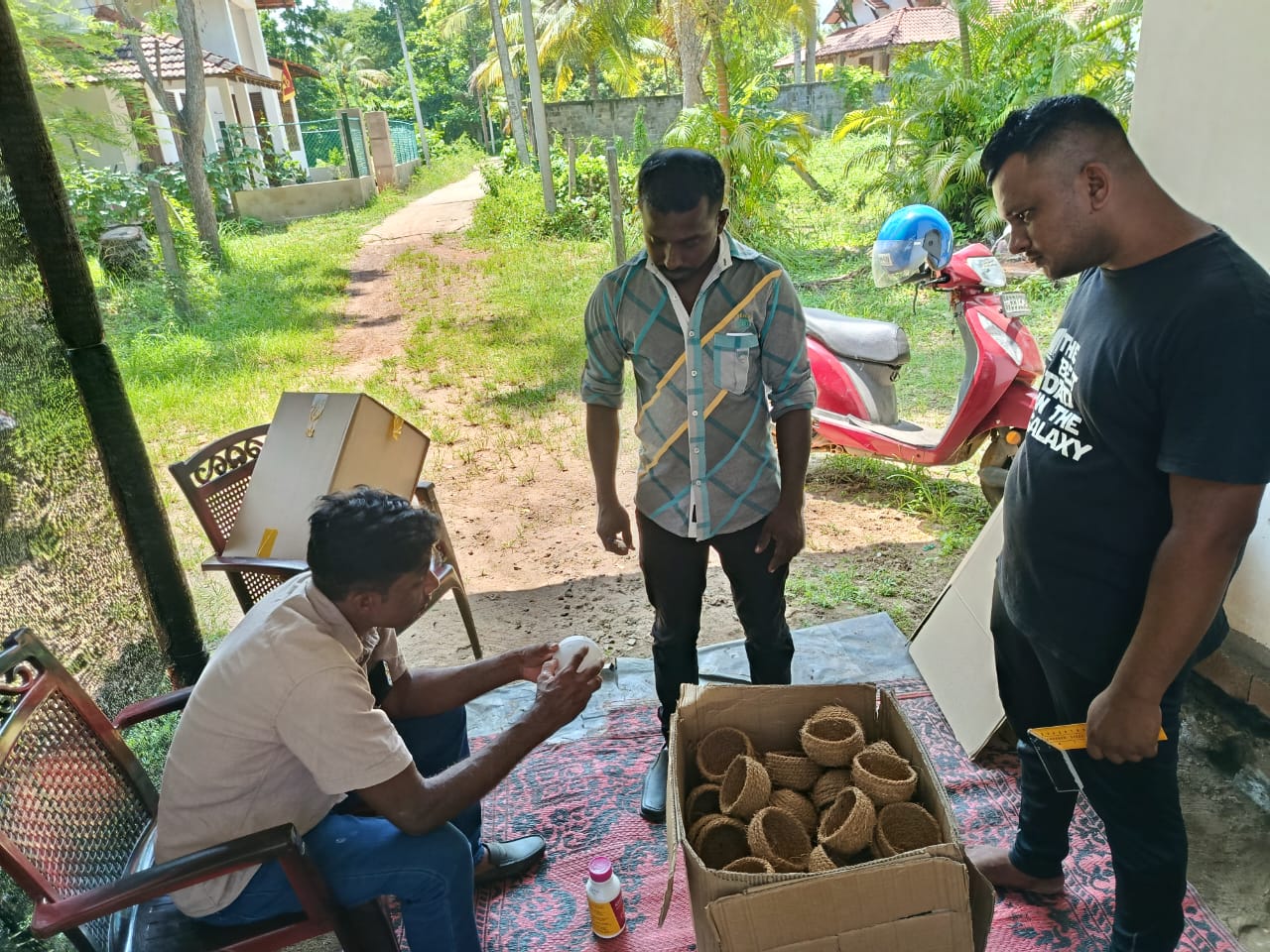
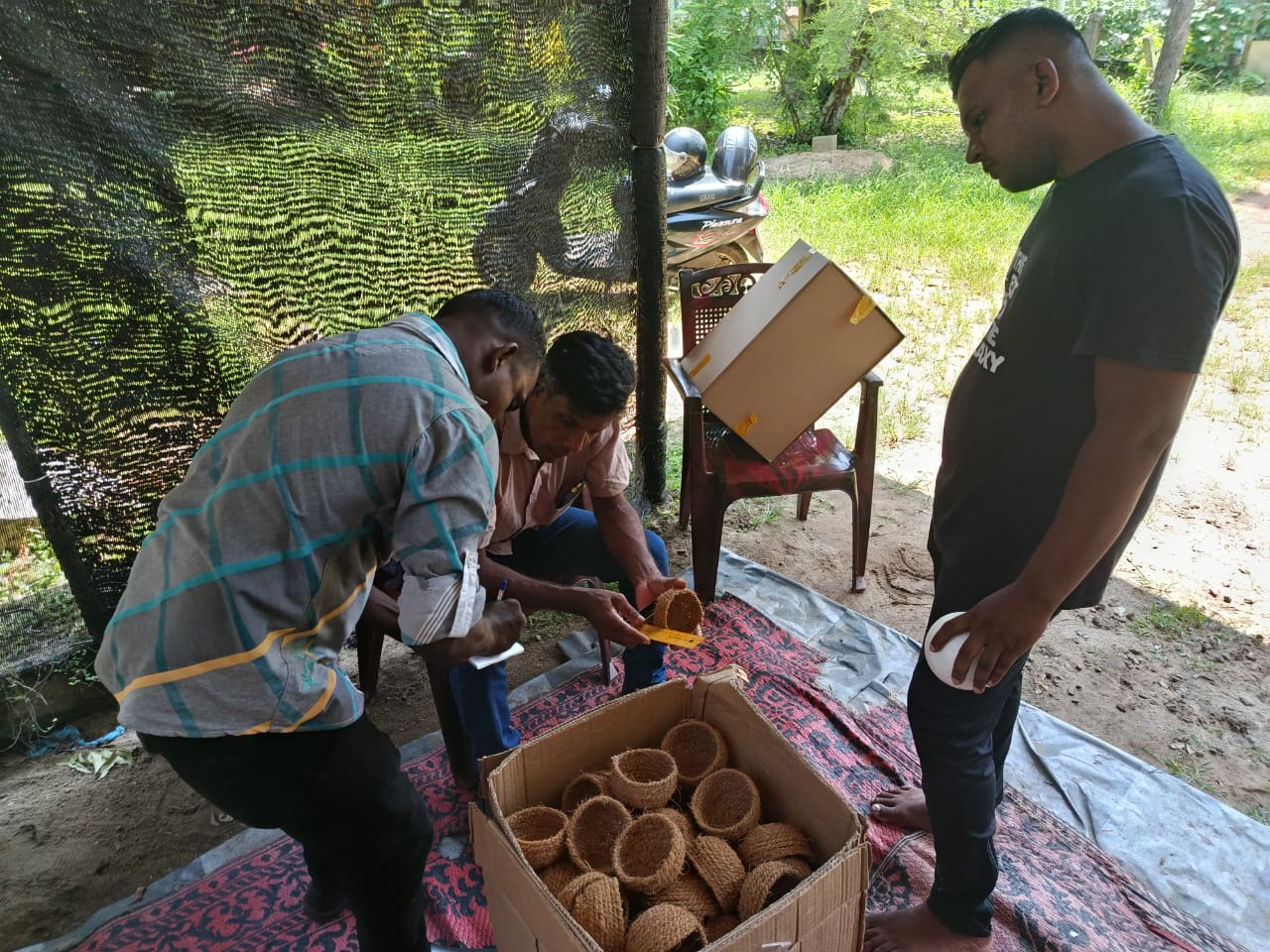
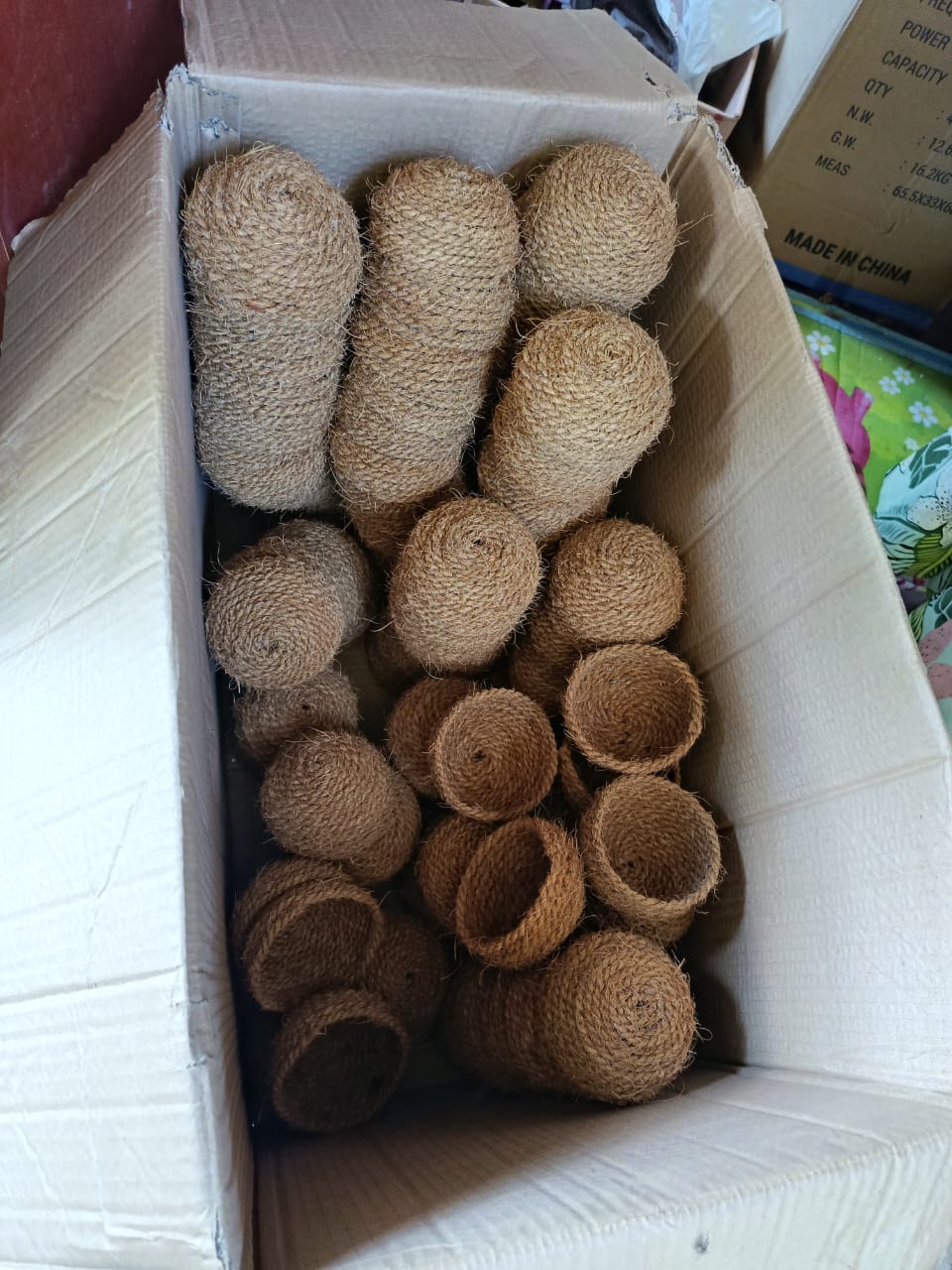
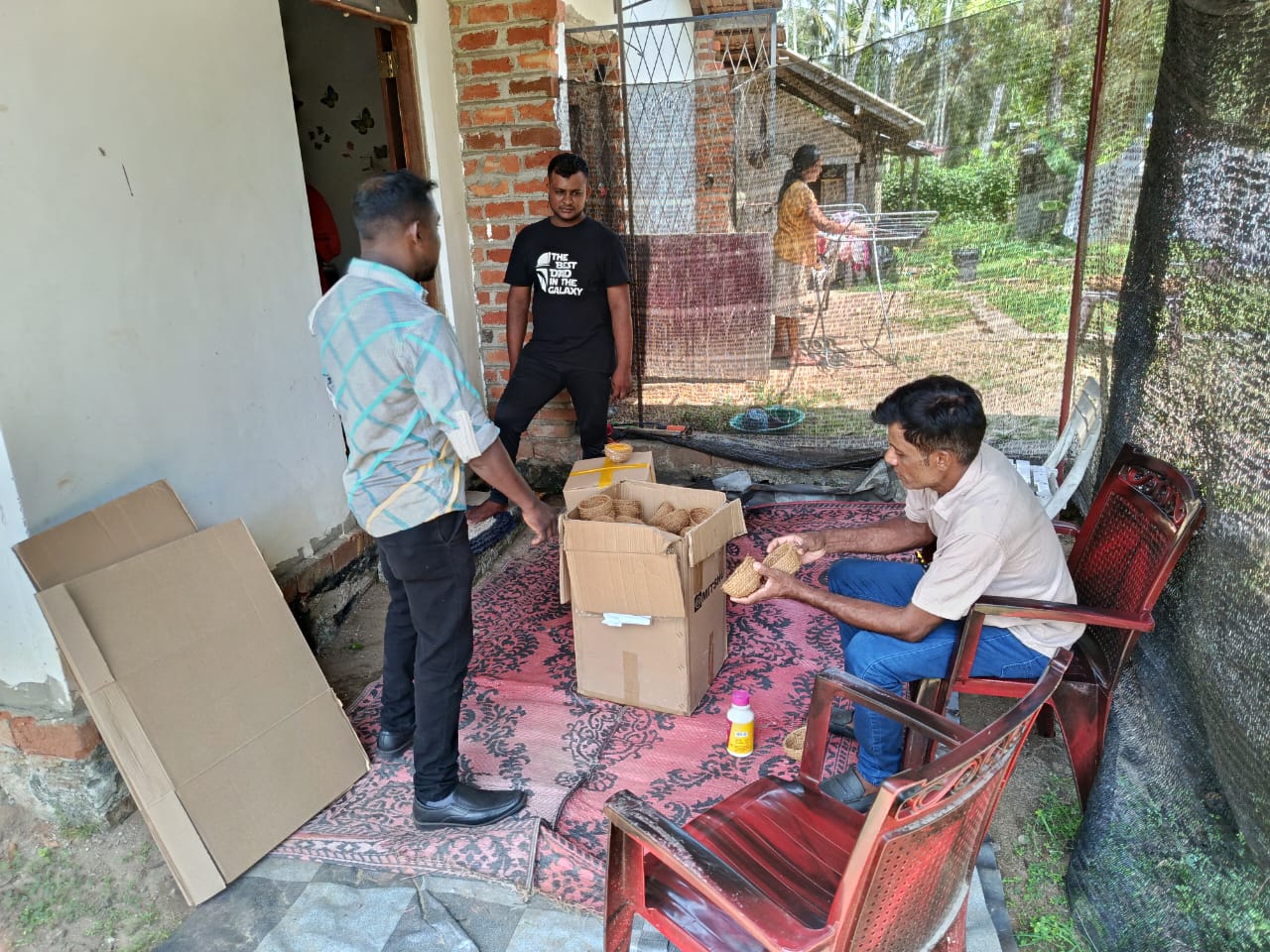
At its core, Green Space International envisions an economy where sustainability, social inclusion, and economic opportunity work hand in hand. Its latest milestone—the shipment of beautifully handcrafted Wooden Huts built by Sri Lankan carpenters—embodies that vision perfectly.
The Philosophy Behind Sustainable Innovation
For Green Space International, sustainable innovation goes beyond green technology or eco-friendly materials. It’s about creating long-term value—for the business, for communities, and for the environment.
This holistic approach connects three fundamental principles:
Environmental Sustainability – Minimizing ecological impact through renewable materials and responsible production.
Social Empowerment – Uplifting local artisans, families, and small suppliers through fair trade and steady income.
Economic Resilience – Building scalable, export-oriented ventures that strengthen Sri Lanka’s rural economies.
This philosophy reflects the belief that sustainability isn’t just an environmental choice—it’s a human one.
The Wooden Hut Project: A Symbol of Purpose and Progress
Among Green Space International’s many sustainability-driven ventures, the Wooden Hut Project stands out as a symbol of how innovation and community development can coexist harmoniously.
These huts are crafted by skilled Sri Lankan carpenters using locally sourced, renewable wood. Each structure is a blend of traditional craftsmanship and modern functionality, representing not only high-quality construction but also cultural continuity and community pride.
Preserving Sri Lankan Craftsmanship
For generations, woodworking has been a cornerstone of Sri Lankan rural life. Green Space’s initiative helps preserve this craftsmanship in an era dominated by industrial automation. By offering stable contracts, fair compensation, and continuous skill development, the company ensures that these artisans can thrive in a competitive global market.
Building More Than Structures
Every shipment of wooden huts represents more than an export order—it’s a story of inclusion, resilience, and progress. Each hut produced contributes to local livelihoods, rural employment, and the circulation of wealth within small communities.
“Our Wooden Huts are built with purpose,” a company spokesperson noted. “They’re not just products—they’re a reflection of our belief that sustainability begins with people.”
Collaborating with Local Communities
Green Space International’s success stems from its deep partnerships with local communities and small-scale suppliers. These relationships are founded on mutual trust, transparency, and long-term value creation.
Supporting Local Economies
By sourcing materials and craftsmanship locally, the company ensures that economic benefits remain within the community. This local-first approach strengthens supply chains, supports family-owned enterprises, and encourages entrepreneurship among rural populations.
Empowering Through Employment
Green Space’s community partnerships generate stable employment opportunities, particularly for young workers and women in rural areas. Beyond income, the company invests in capacity building, teaching new skills related to production, safety, and sustainable resource management.
Inclusive Growth in Action
The Wooden Hut Project demonstrates inclusive growth—a business model where profits are shared, opportunities are created, and progress is collective. As the company grows, so too do the communities that contribute to its journey.
Sustainable Materials and Eco-Design Principles
The foundation of every Green Space International project is sustainability—reflected not just in its mission but in its materials and design philosophy.
Renewable and Ethical Sourcing
The company prioritizes sustainably harvested wood, ensuring that every component used in construction meets environmental standards and supports responsible forestry practices.
Eco-Conscious Manufacturing
Production processes are optimized to reduce waste and energy consumption, utilizing techniques such as reusing wood offcuts, natural finishes, and solar-assisted drying systems.
Designing for Longevity
Green Space’s design team ensures that every product, from huts to eco-packaging, balances functionality and aesthetics while maintaining a long life cycle—reducing the need for frequent replacements and minimizing environmental footprint.
Driving Economic Value Through Sustainable Innovation
Sustainable innovation is also smart economics. The Wooden Hut Project contributes significantly to Sri Lanka’s local and export markets by converting natural resources into high-value finished goods.
Impact Area
Contribution
Job Creation
Over 50 artisans and laborers engaged directly
Rural Development
Steady income for low-income families
Export Revenue
Strengthened market for eco-friendly housing and leisure products
Skill Development
Training programs in craftsmanship and business management
By transforming sustainability into an economic opportunity, Green Space International demonstrates how innovation can scale social good.
Community-Led Innovation: The Power of Collaboration
The company’s Sustainable Innovation Initiative brings together multiple stakeholders—carpenters, suppliers, engineers, designers, and local government bodies—to create a collaborative ecosystem of innovation.
This inclusive model allows:
Shared learning across disciplines.
Local adaptation of global technologies.
Collective ownership of success.
Through collaboration, the company fosters mutual accountability and ensures that progress is distributed fairly among all contributors.
Cultural Heritage Meets Modern Design
The Wooden Huts are a living representation of Sri Lanka’s rich architectural and cultural heritage—inspired by traditional village structures yet adapted for modern lifestyles.
These designs:
Celebrate handcrafted precision.
Use natural aesthetics that blend with landscapes.
Promote eco-living through renewable materials and passive cooling.
This fusion of tradition and innovation illustrates how cultural preservation can drive sustainable business growth while promoting Sri Lanka’s identity on the global stage.
Social Impact: Empowering the Heart of Sri Lanka
Empowering Rural Artisans
Through steady partnerships, Green Space International has provided economic stability for dozens of artisans and small workshop owners. This empowerment extends beyond finances—helping preserve dignity, craftsmanship, and community pride.
Encouraging Youth Entrepreneurship
The company’s approach also inspires young Sri Lankans to view sustainability as a business opportunity, not just an environmental goal. By engaging youth in eco-manufacturing, it cultivates a new generation of socially conscious innovators.
Strengthening Gender Inclusion
Green Space ensures gender inclusion by offering employment and training for women in design, administration, and logistics, promoting equality within the sustainability sector.
Sustainable Innovation as a National Asset
As Sri Lanka moves toward a circular economy, initiatives like the Wooden Hut Project showcase how sustainable innovation can drive national growth.
By:
Enhancing export competitiveness
Creating decent work opportunities
Supporting rural industrialization
Encouraging environmental responsibility
Green Space International contributes directly to achieving Sri Lanka’s Sustainable Development Goals (SDGs) and solidifying its reputation as a global leader in ethical production.
Our Vision Forward
Green Space International’s journey doesn’t stop here. The company continues to explore new ways to scale sustainability while preserving authenticity. Future plans include:
Expanding eco-construction exports to Europe and Asia.
Partnering with educational institutions for design innovation research.
Launching community-based innovation centers to foster grassroots creativity.
“We believe the future of business lies in collaboration—with nature, with people, and with purpose,” says the management team. “Our goal is to make sustainability the new standard of success.”
Conclusion: Building a Shared Future, Sustainably
Green Space International Pvt Ltd continues to prove that when innovation meets empathy, growth becomes sustainable and inclusive. The company’s Wooden Hut Project is not just a business venture—it’s a movement that unites purpose, people, and progress.
By empowering communities through sustainable innovation, Green Space is helping build a future where Sri Lanka’s local talents, natural resources, and cultural heritage shine on the global stage—creating prosperity that truly includes everyone.